
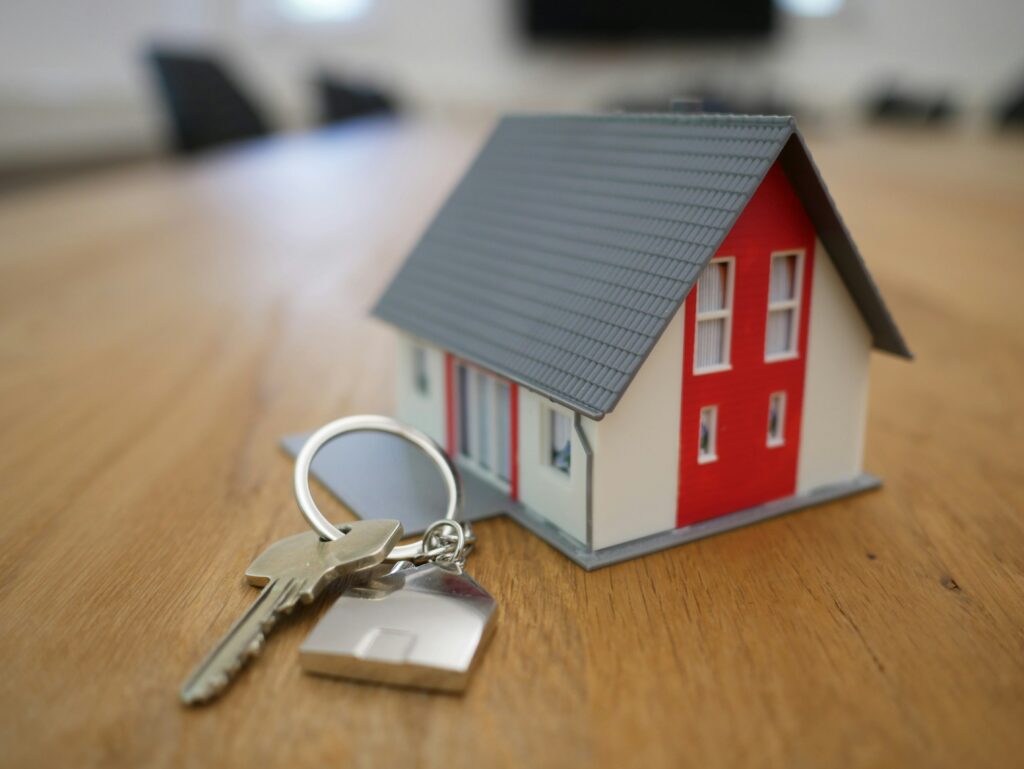
A property’s exterior is the first thing people notice, but its importance extends far beyond curb appeal. The condition of a home’s exterior influences its structural integrity, market value, and long-term maintenance costs. Homeowners researching contractor certification courses in Georgia often learn how professional training helps contractors identify and address exterior issues before they become expensive problems, making proper maintenance an essential part of protecting property investments.
Preventing Costly Structural Damage
Exterior surfaces are constantly exposed to weather, moisture, sunlight, and environmental contaminants. Over time, these elements can wear down siding, roofing materials, driveways, and other components of a property. Without regular maintenance, minor issues can gradually develop into significant structural concerns.
Routine inspections and cleaning help identify problems while they are still manageable. Removing dirt, algae, mold, and debris reduces the risk of deterioration and prevents moisture from penetrating vulnerable areas. Early intervention is often far less expensive than major repairs that result from prolonged neglect.
Maintaining Curb Appeal and Marketability
A well-maintained exterior creates a positive impression for visitors, neighbors, and potential buyers. Clean surfaces, well-kept walkways, and properly maintained building materials signal that a property has been cared for consistently. This perception can significantly influence a property’s overall value.
When exterior maintenance is ignored, visible stains, discoloration, and buildup can make a property appear older than it actually is. Even if the home’s interior is in excellent condition, exterior neglect can discourage prospective buyers and reduce perceived value. Consistent upkeep helps preserve a property’s attractiveness over time.
Extending the Lifespan of Building Materials
Many exterior materials are designed to last for decades, but their longevity depends heavily on proper care. Roofing, siding, concrete, wood surfaces, and exterior paint all benefit from regular maintenance that minimizes wear and environmental damage. Protecting these materials helps homeowners maximize their investment.
Dirt, mold, mildew, and pollutants can gradually weaken exterior surfaces if left untreated. Regular cleaning removes harmful contaminants before they have an opportunity to cause permanent damage. By extending the life of existing materials, homeowners can delay costly replacement projects and reduce overall ownership expenses.
Protecting Against Moisture-Related Issues
Water is one of the most common causes of property deterioration. Rain, humidity, and standing water can create conditions that encourage mold growth, wood rot, and foundation problems. Exterior maintenance plays a critical role in preventing moisture from causing long-term damage.
Keeping gutters clean, ensuring proper drainage, and maintaining exterior surfaces help direct water away from vulnerable areas. Regular inspections can also reveal small cracks, gaps, or damaged materials that allow moisture to enter the structure. Addressing these concerns promptly reduces the likelihood of extensive repairs in the future.
Supporting Energy Efficiency
The condition of a property’s exterior can influence its energy performance. Damaged siding, deteriorated seals, and neglected exterior components may allow air leaks that force heating and cooling systems to work harder. This increased demand can result in higher utility costs throughout the year.
Regular maintenance helps preserve the effectiveness of exterior barriers that contribute to indoor comfort. Clean surfaces, properly sealed openings, and well-maintained materials improve overall efficiency and help regulate indoor temperatures. As a result, homeowners may benefit from lower energy expenses while protecting the property’s value.
Enhancing Long-Term Investment Returns
Real estate is often one of the largest financial investments a person makes. Protecting that investment requires ongoing attention to both visible and hidden aspects of the property. Exterior maintenance is one of the most practical ways to safeguard long-term value and reduce avoidable expenses.
Properties that receive consistent care tend to retain their value more effectively than those that experience prolonged neglect. Maintenance records, clean exterior conditions, and evidence of proactive care can also provide reassurance to future buyers. These factors contribute to stronger resale potential and improved long-term returns.
Creating a Safer Property Environment
Exterior maintenance is not only about appearance and value but also about safety. Damaged walkways, loose materials, clogged drainage systems, and deteriorating structures can create hazards for occupants and visitors. Addressing these concerns promptly helps reduce the risk of accidents and liability issues.
Regular inspections make it easier to identify potential safety concerns before they escalate. Whether repairing damaged surfaces or removing hazardous buildup, proactive maintenance supports a safer environment for everyone who uses the property. This added layer of protection further contributes to preserving overall property value.
Conclusion
Regular exterior maintenance is a fundamental part of protecting long-term property value. By preventing structural damage, preserving building materials, improving energy efficiency, and maintaining curb appeal, homeowners can reduce costs while safeguarding one of their most important investments. Consistent care not only helps properties look their best but also ensures they remain durable, functional, and valuable for years to come.
 Washing Systems & Maintenance Specialist
Thomas Dodsonigthers has opinions about interior inspirations and layout essentials. Informed ones, backed by real experience — but opinions nonetheless, and they doesn't try to disguise them as neutral observation. They thinks a lot of what gets written about Interior Inspirations and Layout Essentials, Washing System Maintenance Tips, Smart Appliances and Clean Living is either too cautious to be useful or too confident to be credible, and they's work tends to sit deliberately in the space between those two failure modes.
Reading Thomas's pieces, you get the sense of someone who has thought about this stuff seriously and arrived at actual conclusions — not just collected a range of perspectives and declined to pick one. That can be uncomfortable when they lands on something you disagree with. It's also why the writing is worth engaging with. Thomas isn't interested in telling people what they want to hear. They is interested in telling them what they actually thinks, with enough reasoning behind it that you can push back if you want to. That kind of intellectual honesty is rarer than it should be.
What Thomas is best at is the moment when a familiar topic reveals something unexpected — when the conventional wisdom turns out to be slightly off, or when a small shift in framing changes everything. They finds those moments consistently, which is why they's work tends to generate real discussion rather than just passive agreement.
Washing Systems & Maintenance Specialist
Thomas Dodsonigthers has opinions about interior inspirations and layout essentials. Informed ones, backed by real experience — but opinions nonetheless, and they doesn't try to disguise them as neutral observation. They thinks a lot of what gets written about Interior Inspirations and Layout Essentials, Washing System Maintenance Tips, Smart Appliances and Clean Living is either too cautious to be useful or too confident to be credible, and they's work tends to sit deliberately in the space between those two failure modes.
Reading Thomas's pieces, you get the sense of someone who has thought about this stuff seriously and arrived at actual conclusions — not just collected a range of perspectives and declined to pick one. That can be uncomfortable when they lands on something you disagree with. It's also why the writing is worth engaging with. Thomas isn't interested in telling people what they want to hear. They is interested in telling them what they actually thinks, with enough reasoning behind it that you can push back if you want to. That kind of intellectual honesty is rarer than it should be.
What Thomas is best at is the moment when a familiar topic reveals something unexpected — when the conventional wisdom turns out to be slightly off, or when a small shift in framing changes everything. They finds those moments consistently, which is why they's work tends to generate real discussion rather than just passive agreement.