

If you’ve been searching for the best way to keep your clean washing machine running efficiently, you’re in the right place. A washing machine is one of the hardest-working appliances in any home, yet it’s often overlooked when it comes to regular maintenance. Over time, detergent residue, mineral buildup, and trapped moisture can affect performance, cause odors, and even shorten the lifespan of your machine.
This article is designed to give you clear, practical guidance on maintaining a clean washing machine, improving wash quality, and preventing costly repairs. We’ll walk through proven cleaning methods, smart maintenance habits, and common mistakes to avoid—so you can protect your appliance and your laundry.
Our guidance is based on expert-backed home care practices and real-world appliance maintenance insights, ensuring you get reliable, actionable information you can trust. By the end, you’ll know exactly how to keep your machine fresh, efficient, and built to last.
- Distilled white vinegar – a natural disinfectant; as my neighbor said, “It cuts grime without harsh fumes.” Its acetic acid kills many bacteria (CDC).
- Baking soda – a mild abrasive deodorizer that lifts stains and neutralizes odors.
- Microfiber cloths – trap dust and bacteria effectively.
- Small scrub brush or old toothbrush – reaches tight seals.
- Optional: chlorine bleach for severe mildew.
Together, they help you maintain a clean washing machine. Use weekly for fresher, longer-lasting results. Trust the basics.
The Core Cleaning Cycle: How to Deep Clean the Drum and Tub
If you want a truly clean washing machine, you need more than a quick wipe-down. The real grime hides inside the drum and tub, where moisture, detergent residue, and minerals build up over time. Here’s the exact two-step method I recommend.
1. For Both Machine Types (The Sanitizing Run)
- Start with an empty machine. No clothes, no detergent.
- Add 2 cups of white vinegar directly into the drum.
- Run the machine on its hottest, longest, and largest load setting.
- Let the full cycle complete.
White vinegar is a mild acid (meaning it breaks down alkaline buildup like soap scum and hard water deposits). It also helps kill mold and mildew spores (which love dark, damp drums). Think of it as sending in a cleanup crew before guests arrive.
Some people argue vinegar is too harsh for washing machines. In reality, occasional use in this amount is widely recommended for descaling and deodorizing when not mixed with detergent (Whirlpool and other manufacturers advise periodic cleaning cycles). Used properly, it’s both effective and safe.
2. The Deodorizing Follow-Up
- After the vinegar cycle finishes, sprinkle ½ cup of baking soda directly into the drum.
- Run another hot, long cycle.
Baking soda (sodium bicarbonate) is a gentle abrasive. It scours away loosened residue while neutralizing lingering odors. Vinegar dissolves and disinfects; baking soda scrubs and deodorizes. Together, they create a balanced, two-step reset.
Do not skip the second cycle. It’s what ensures odors are fully neutralized rather than masked.
Pro tip: Perform this deep clean once a month if you wash frequently, or every two months for lighter use. Regular maintenance keeps buildup from turning into costly repairs (and keeps your laundry smelling like laundry, not a science experiment).
Targeting Trouble Spots: Gaskets, Dispensers, and Filters
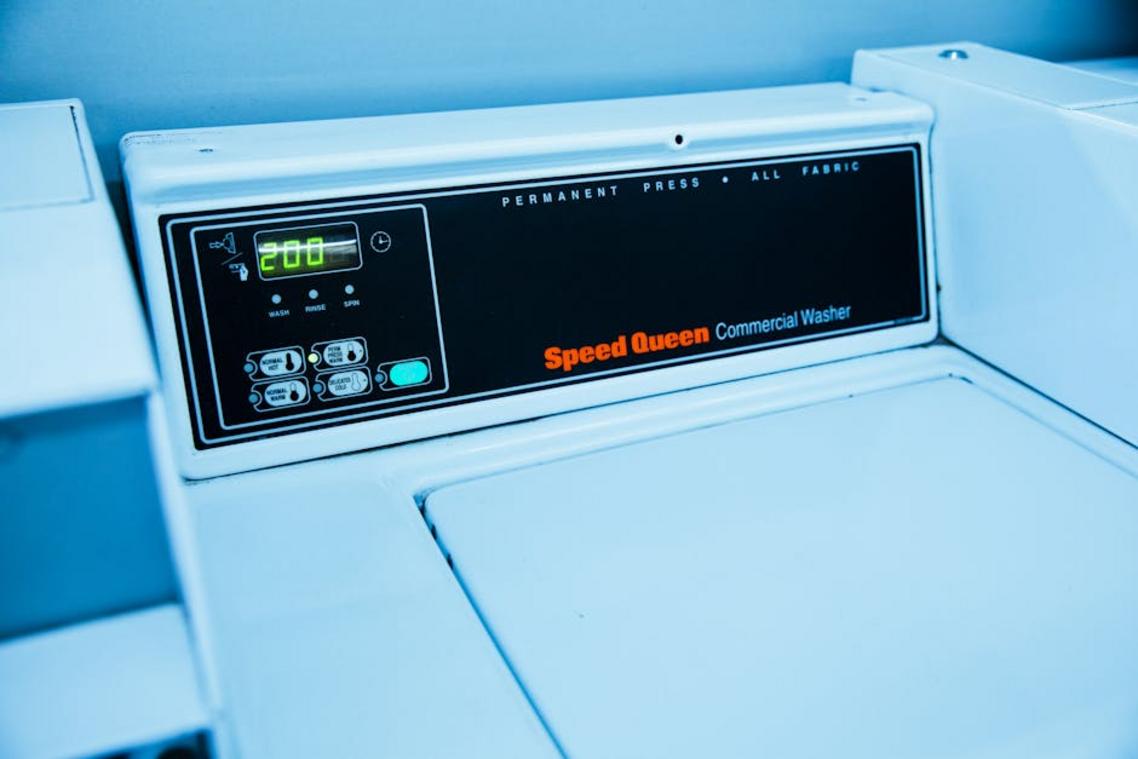
Some washing machine parts stay out of sight—and therefore out of mind. However, these “hidden” areas often cause odors, clogs, and performance issues. Let’s break them down in simple terms.
The Rubber Gasket (Front-Loaders Only)
The rubber gasket is the flexible seal around the door that prevents leaks. Because it traps moisture, it’s a prime spot for mildew (a type of surface mold that thrives in damp spaces).
First, gently pull back the folds of the gasket. You’ll likely spot grime or dark buildup. Wipe it thoroughly with a vinegar-soaked cloth. For stubborn residue, use a toothbrush to scrub into the creases. Then—and this is crucial—dry the gasket completely with a clean towel. Mold regrows quickly in damp rubber (it’s basically a five-star resort for spores).
Detergent and Softener Dispensers
Next, slide out the dispenser tray. Most models release with light pressure or a small tab. Soak the tray in hot, soapy water to loosen hardened detergent—also called “detergent buildup,” which forms when soap doesn’t fully dissolve. Scrub with a brush, rinse, and dry. Just as importantly, wipe inside the cavity where the tray sits. Residue hides there, too.
The Drain Pump Filter
Finally, locate the drain pump filter behind the small bottom-front access door. Place a shallow pan and towel underneath before unscrewing it—water will spill out. Remove lint, hair, and debris, rinse clean, and secure it tightly.
Keeping these areas clear helps prevent many common washing machine problems and how to fix them and ensures a truly clean washing machine.
Proactive Maintenance for Lasting Performance
Proactive maintenance simply means preventing problems before they start (instead of reacting when something smells funky or stops draining). To make it easy, think in three layers: after every wash, monthly, and general best practices.
After Every Wash:
First, wipe down the door seal—also called the gasket (the rubber ring around a front-loader door that traps moisture). This step removes lingering water and detergent residue. Then, leave the door slightly ajar. Air circulation reduces mildew, which is a type of mold that thrives in damp, enclosed spaces.
Monthly:
Next, run a hot cleaning cycle with vinegar and baking soda. Vinegar breaks down mineral buildup, while baking soda neutralizes odors (yes, basic kitchen chemistry at work). Also, clean the drain pump filter. This small component catches lint and debris; if clogged, it can block drainage and strain the motor.
General Best Practices:
Use the correct amount of high-efficiency (HE) detergent. HE formulas are low-sudsing, meaning they create fewer bubbles—important because excess suds leave soap scum behind. Promptly remove clean clothes so moisture doesn’t linger in the drum.
In short, a clean washing machine runs smoother, smells fresher, and lasts longer. For deeper guidance, review this practical maintenance checklist.
Keep Your Laundry Fresh and Stress-Free
You came here because you wanted a simple, reliable way to keep your washer running efficiently and your clothes smelling fresh. Now you know exactly how to maintain a clean washing machine, prevent buildup, and avoid the costly repairs that come from neglect.
Ignoring early signs of grime, odors, or residue only leads to bigger frustrations—musty laundry, wasted detergent, and expensive service calls. A consistent care routine protects your appliance, your clothes, and your peace of mind.
The next step is simple: put these maintenance tips into action today and schedule regular cleanings before problems start. If you want more expert-backed home care guidance and proven washing system maintenance tips trusted by thousands of homeowners, explore our latest resources now and keep your laundry routine running flawlessly.
 Founder & CEO
Ask Torveth Tornhaven how they got into washing system maintenance tips and you'll probably get a longer answer than you expected. The short version: Torveth started doing it, got genuinely hooked, and at some point realized they had accumulated enough hard-won knowledge that it would be a waste not to share it. So they started writing.
What makes Torveth worth reading is that they skips the obvious stuff. Nobody needs another surface-level take on Washing System Maintenance Tips, Pristine Home Care Techniques, Home Living Highlights. What readers actually want is the nuance — the part that only becomes clear after you've made a few mistakes and figured out why. That's the territory Torveth operates in. The writing is direct, occasionally blunt, and always built around what's actually true rather than what sounds good in an article. They has little patience for filler, which means they's pieces tend to be denser with real information than the average post on the same subject.
Torveth doesn't write to impress anyone. They writes because they has things to say that they genuinely thinks people should hear. That motivation — basic as it sounds — produces something noticeably different from content written for clicks or word count. Readers pick up on it. The comments on Torveth's work tend to reflect that.
Founder & CEO
Ask Torveth Tornhaven how they got into washing system maintenance tips and you'll probably get a longer answer than you expected. The short version: Torveth started doing it, got genuinely hooked, and at some point realized they had accumulated enough hard-won knowledge that it would be a waste not to share it. So they started writing.
What makes Torveth worth reading is that they skips the obvious stuff. Nobody needs another surface-level take on Washing System Maintenance Tips, Pristine Home Care Techniques, Home Living Highlights. What readers actually want is the nuance — the part that only becomes clear after you've made a few mistakes and figured out why. That's the territory Torveth operates in. The writing is direct, occasionally blunt, and always built around what's actually true rather than what sounds good in an article. They has little patience for filler, which means they's pieces tend to be denser with real information than the average post on the same subject.
Torveth doesn't write to impress anyone. They writes because they has things to say that they genuinely thinks people should hear. That motivation — basic as it sounds — produces something noticeably different from content written for clicks or word count. Readers pick up on it. The comments on Torveth's work tend to reflect that.