
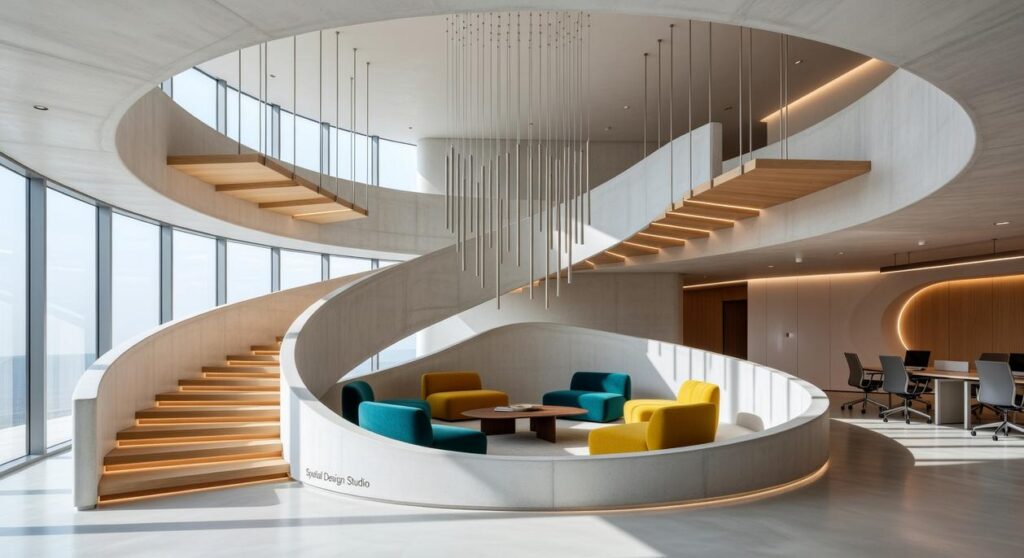
If you’re searching for practical ways to elevate your living space, improve functionality, and create a better everyday experience at home, you’re in the right place. This article is designed to help you make smarter decisions about home design, maintenance, and the systems that keep your household running smoothly.
Many homeowners struggle to balance style with practicality. From choosing the right appliances to maintaining washing systems and creating interiors that truly enhance your mood, it can feel overwhelming to know where to start. We break it down into clear, actionable guidance you can apply right away.
Our insights are grounded in hands-on experience with home care strategies, appliance optimization, and interior improvement trends. We focus on what works in real homes—not just what looks good online.
By the end of this guide, you’ll have a clearer understanding of how to refine your space, protect your investments, and create a home environment that supports both comfort and long-term performance.
Your home should feel intentional, not accidental. Too often, rooms look fine but feel off. In my experience, that disconnect comes from ignoring atmosphere. So, start with clarity. Decide the emotion you want—calm, energy, or comfort—then design backward.
Focus on:
- Color: Soft blues soothe; warm terracotta energizes.
- Light: Layered lighting shifts tone from harsh to intimate.
- Texture: Linen and wool add quiet depth.
- Layout: Open pathways invite ease.
Admittedly, some say mood is subjective. I disagree. Thoughtful home design and mood planning consistently shape behavior (ever notice how coffee shops choreograph coziness?). Ultimately, tweaks create shifts.
The Foundation: How Color and Light Shape a Room’s Mood
Understanding the Emotional Palette
Color isn’t just visual—it’s visceral. Warm tones like terracotta, amber, and soft coral seem to hum with energy, wrapping a room in a gentle heat that encourages conversation. Think of a dining room glowing in sunset shades, where laughter lingers in the air. By contrast, cool hues—sage green, misty blue, pale lavender—feel like a slow exhale. Bedrooms bathed in these tones often feel quieter, like fresh linen against your skin.
Some argue color psychology is subjective—and they’re not wrong. Personal history shapes preference. Still, studies in environmental psychology show consistent emotional responses to warm versus cool palettes (Küller et al., 2009). The trick is balancing personal taste with proven patterns.
The 60-30-10 rule keeps bold choices grounded:
- 60% dominant color (walls or large furniture)
- 30% secondary color (upholstery or curtains)
- 10% accent (pillows, art, décor)
It’s the difference between curated and chaotic (yes, even if you love maximalism).
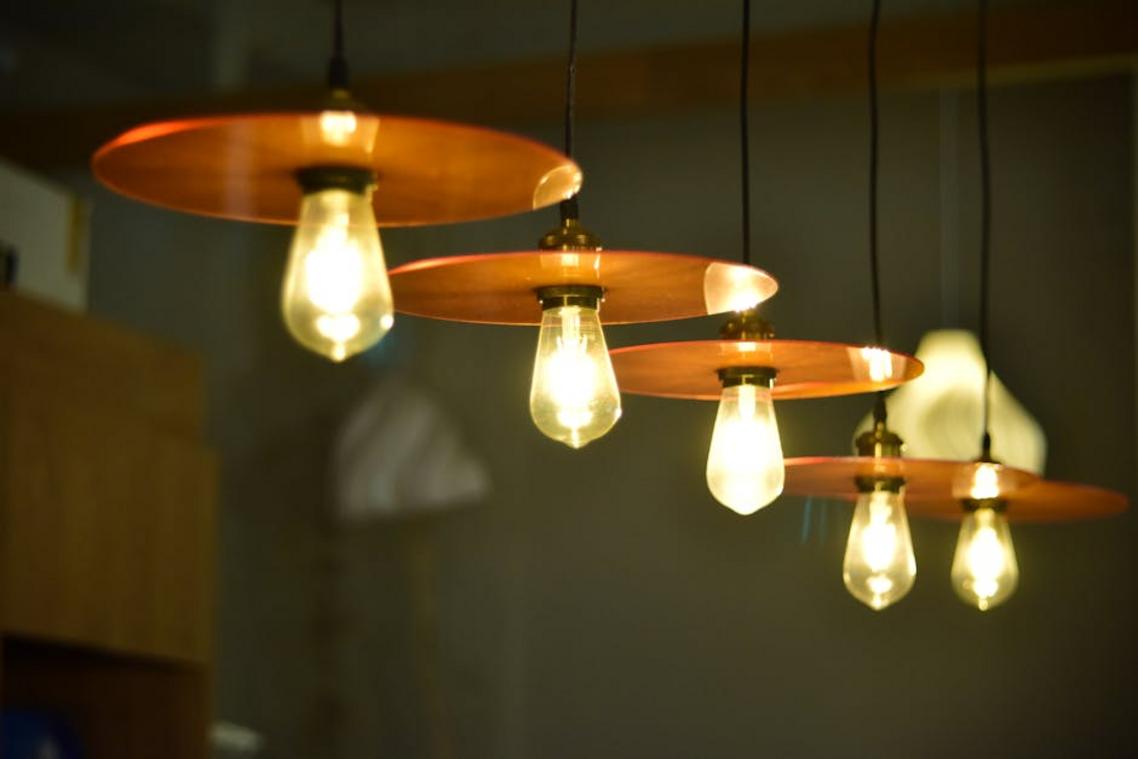
Natural light changes everything. Sheer curtains diffuse sunlight into a buttery glow, while mirrors bounce brightness into shadowed corners. Heavy drapes, on the other hand, soften sound and light, creating a cocoon-like hush.
Finally, layer artificial light:
- Ambient for overall glow (add dimmers for intimacy)
- Task for focus
- Accent for drama
When thoughtfully combined, these elements define home design and mood in ways you can actually feel.
Building Character: The Role of Texture and Materials
When we talk about ambiance, we usually picture color and lighting. But the truth is, texture shapes how a room feels just as much as how it looks. The tactile experience—how surfaces feel under your hand or feet—adds depth and physical comfort. Smooth materials like metal and glass create a sleek, modern edge. Soft textures like wool, velvet, and linen invite you to linger (and maybe cancel plans).
I’ll admit, there’s ongoing debate about what matters more—visual cohesion or tactile contrast. In reality, home design and mood are influenced by both. Texture bridges the gap.
Material Palette for Specific Moods
| Mood | Materials | Effect |
|---|---|---|
| Natural & Grounded | Wood, stone, jute, cotton |
Earthy, calming, organic connection |
| Luxurious & Sophisticated | Velvet, silk, marble, polished brass | Reflective, refined, opulent feel |
Natural materials connect interiors to the outdoors. Studies in environmental psychology suggest wood surfaces can reduce stress levels (Fell, 2010, University of British Columbia). On the other hand, marble and brass reflect light, subtly amplifying brightness and perceived value.
Mixing and Matching
Flat rooms often lack layered texture. Try pairing a smooth leather sofa with a chunky knit throw and a jute rug. Contrast polished marble with matte linen curtains. Pro tip: combine at least three textures per room to avoid monotony.
I can’t promise there’s one perfect formula—design is personal—but thoughtful layering rarely fails.
Defining Space: Furniture, Layout, and Flow
Scale and Proportion
The size of your furniture relative to the room sets the emotional tone. Scale refers to how large a piece is compared to the space around it. Oversized sofas and deep armchairs can make a large room feel intimate and secure (think cozy movie-night vibes). In contrast, leggy, minimalist pieces expose more floor area, creating visual lightness and a sense of openness.
Practical tip: Measure your room, then map furniture dimensions with painter’s tape before buying. If walkways feel tight, size down.
Arrangement for Interaction
Layout controls social flow. Symmetrical arrangements—two sofas facing each other—feel structured and formal. Asymmetrical or circular layouts invite relaxed conversation. If guests naturally turn chairs inward, your setup is working.
- Anchor seating around a focal point.
- Keep 18–24 inches between seats and coffee tables.
- Ensure clear walking paths.
Negative Space Is a Design Element
Negative space means the intentionally empty areas in a room. Clutter shrinks visual breathing room and raises stress levels (a claim supported by environmental psychology research, UCLA, 2010). Leave corners open to promote calm and focus.
Creating Zones
Use rugs and lighting to define areas in open plans—a reading nook with a floor lamp, a conversation zone with grouped seating. Thoughtful zoning strengthens home design and mood. And don’t forget air quality; see the hidden impact of indoor air quality on health.
Blueprint in Action: Crafting Three Popular Ambiences
First, the Serene Sanctuary proves that calm is engineered, not accidental. Cool hues like soft blues and misty grays lower visual stimulation (color psychology shows blue can reduce heart rate perception; see Küller et al., 2009). Pair linen and cotton—breathable natural fibers that regulate temperature—with diffused daylight and minimalist furniture. The result? A space that feels like a deep exhale.
Meanwhile, the Energizing Creative Hub flips the script. Warm yellows and oranges stimulate focus and sociability, especially when layered with mixed textures and bright task lighting. Modular furniture—pieces designed to move and reconfigure—keeps momentum high (think LEGO, but for grown-up productivity). Competitors rarely note this: flexibility sustains creativity longer than color alone.
Finally, the Cozy Rustic Retreat leans into earthy tones, wood, and stone—biophilic materials that echo nature. Add wool throws and low-level lighting to anchor home design and mood in comfort. Pro tip: dimmers instantly shift ambiance without costly renovations.
Bringing Your Vision to Life with Confidence
You now have the tools to stop guessing and start designing with intent. I learned this the hard way after repainting an entire living room twice because it “felt off.” First, I blamed the sofa. Then the lighting. In reality, I had ignored balance. Color, light, texture, and layout must work together in home design and mood. However, mistakes clarify taste. Start with one room and one desired feeling. Layer deliberately, adjust patiently, and note what clashes. Trust the process to shape a space that reflects you (yes, even the bold wallpaper). Confidence grows with each thoughtful decision you make.
By understanding how elements like color, lighting, and layout in home design can profoundly affect our mood and well-being, we can take small yet impactful steps towards creating a more uplifting environment—like exploring these 10 Simple Ways to Refresh Your Living Space Without Renovating.
Bring Your Space Back to Life
You came here looking for practical ways to elevate your home design and mood, and now you have the tools to make it happen. From smart appliance choices to simple maintenance habits and intentional styling updates, you understand how small improvements can completely transform how your home looks and feels.
The truth is, a neglected space can drain your energy, waste your time, and create unnecessary stress. But a clean, well-maintained, and thoughtfully designed home does the opposite—it restores calm, boosts productivity, and makes everyday living easier.
Now it’s time to take action. Don’t let buildup, outdated systems, or overlooked details hold your home back. Get expert-backed guidance and proven maintenance strategies that keep everything running flawlessly. We’re trusted by homeowners who want reliable, top-rated insights for a pristine, efficient living space.
Start upgrading your home today—explore our expert tips, apply what you’ve learned, and turn your space into the clean, inspired environment you deserve.
 Founder & CEO
Ask Torveth Tornhaven how they got into washing system maintenance tips and you'll probably get a longer answer than you expected. The short version: Torveth started doing it, got genuinely hooked, and at some point realized they had accumulated enough hard-won knowledge that it would be a waste not to share it. So they started writing.
What makes Torveth worth reading is that they skips the obvious stuff. Nobody needs another surface-level take on Washing System Maintenance Tips, Pristine Home Care Techniques, Home Living Highlights. What readers actually want is the nuance — the part that only becomes clear after you've made a few mistakes and figured out why. That's the territory Torveth operates in. The writing is direct, occasionally blunt, and always built around what's actually true rather than what sounds good in an article. They has little patience for filler, which means they's pieces tend to be denser with real information than the average post on the same subject.
Torveth doesn't write to impress anyone. They writes because they has things to say that they genuinely thinks people should hear. That motivation — basic as it sounds — produces something noticeably different from content written for clicks or word count. Readers pick up on it. The comments on Torveth's work tend to reflect that.
Founder & CEO
Ask Torveth Tornhaven how they got into washing system maintenance tips and you'll probably get a longer answer than you expected. The short version: Torveth started doing it, got genuinely hooked, and at some point realized they had accumulated enough hard-won knowledge that it would be a waste not to share it. So they started writing.
What makes Torveth worth reading is that they skips the obvious stuff. Nobody needs another surface-level take on Washing System Maintenance Tips, Pristine Home Care Techniques, Home Living Highlights. What readers actually want is the nuance — the part that only becomes clear after you've made a few mistakes and figured out why. That's the territory Torveth operates in. The writing is direct, occasionally blunt, and always built around what's actually true rather than what sounds good in an article. They has little patience for filler, which means they's pieces tend to be denser with real information than the average post on the same subject.
Torveth doesn't write to impress anyone. They writes because they has things to say that they genuinely thinks people should hear. That motivation — basic as it sounds — produces something noticeably different from content written for clicks or word count. Readers pick up on it. The comments on Torveth's work tend to reflect that.