
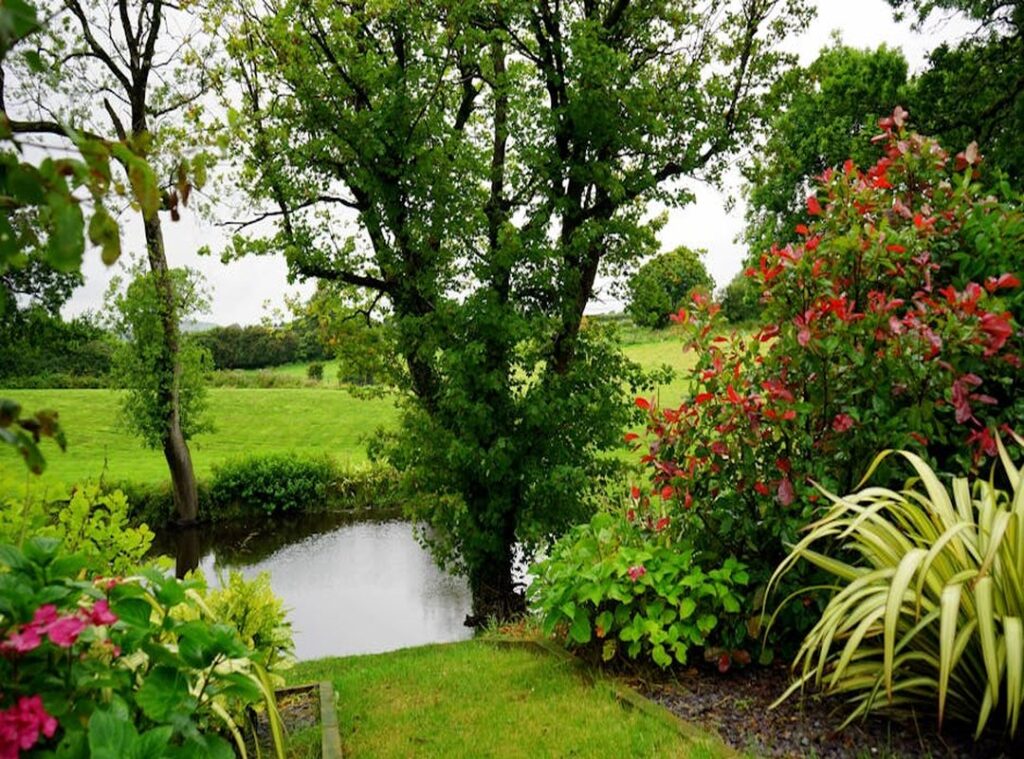
You’ve seen those gardens.
The ones that look like they’re holding their breath.
Roses spilling over cracked stone walls. Wisteria choking a fountain you can barely see. That thick, sweet smell of figs splitting open in the dusk air.
That’s not just pretty.
That’s intentional.
I’ve spent fifteen years designing and restoring gardens where beauty doesn’t fight ecology (it) leans into it.
Where every plant has a reason to be there, and every crumbling wall tells a story you didn’t know you needed.
A Decadgarden isn’t about spending more.
It’s about choosing deeper.
Most guides show you photos and call it done. You want to build something like that. Not copy it.
Not fake it. Actually build it. On your soil, with your light, around your life.
So I’m not giving you mood boards.
I’m giving you the logic behind the lushness.
How to layer textures so they age well. How to invite wildness without losing control. How to make your garden feel like it’s been alive longer than you have.
This is for people who are tired of choosing between beauty and sense.
You don’t need permission to go big.
You need a clear way to start.
Decadence Is Not Luxury (It’s) Layered Chaos
I built my first Decadgarden on a 6×8-foot balcony in Brooklyn. No lawn. No budget.
Just pots, thrifted bricks, and stubbornness.
Decadence isn’t about money. It’s about intentional imperfection.
Formal gardens demand symmetry. Minimalist ones beg you to delete everything. A Decadgarden says: *keep the volunteer foxgloves.
Let the ivy eat the fence. Let the lamb’s ear flop over the stone.*
Layer it like this: groundcover (creeping thyme), then herbaceous (lavender, alliums), then shrubs (dwarf lilac), then canopy (a trained corkscrew hazel). You don’t need height (you) need depth.
Something must stun you in every season. Not just spring. Not just fall.
Right now, in January, my witch hazel smells like spice and smoke while the hellebores push up through frost.
Tactile diversity matters more than color. Run your hand over lamb’s ear, then rough bark, then cold smooth bluestone. Your body notices what your eyes skip.
That urban courtyard I mentioned? It used vertical layers. Wall planters, hanging baskets, stacked crates (and) scent as structure.
Rosemary, lemon balm, night-blooming jasmine. No square footage required.
Flexible? Yes. A fire escape can be decadent.
So can a windowsill. If you pack it tight and let things spill.
You think decadence costs more? Try buying one $40 sculptural tree instead of ten $5 perennials that actually do work.
Decadgarden starts with density. Not dollars.
It’s not messy. It’s measured mess.
You’ll know it’s working when you stop pruning so much.
Plants That Deliver Decadence (Without) the Drama
I’ve ripped out too many “decadent” plants that looked lush on Instagram and died by July.
Climbing Hydrangea? Yes. It softens brick like velvet over bone.
Part sun. Medium water. Grows 30 feet tall and wide.
It casts shifting shadows all day (and) hums with bees in late summer.
Ligularia dentata? Bold leaves slap you awake. Full sun to part shade.
Loves damp soil. Hits 4 feet tall. That waxy foliage catches low light like a mirror (and) the yellow spikes bloom when everything else is tired.
Sedum ‘Autumn Joy’? Stands there, solid, from May to frost. Full sun.
Drought-tolerant. 2 feet tall. Its dense heads rustle in wind. They hold snow.
They feed birds.
Sweet Autumn Clematis? Smells like vanilla and chaos. Full sun to part shade.
Medium water. 20+ feet long. It tumbles, it climbs, it surprises you in September.
Stop planting standard boxwood hedges. They’re stiff. They’re thirsty.
They look like office lobby decor.
Swap them for Decadgarden-ready Inkberry holly. Dense, evergreen, native, and zero fuss.
Avoid overly thirsty tropicals like banana plants unless you own a greenhouse (and a hose fairy).
You can read more about this in Decadgarden yard tips by decoratoradvice.
Try hardy banana Musa basjoo instead. It’s tough. It sways.
It delivers drama without daily watering.
Pro tip: Plant in threes or fives. Not twos. Not fours.
Odd numbers feel full. Not frantic.
You want texture? Movement? Scent at dusk?
Shadow that pools like ink?
Then stop chasing perfection. Start planting like you mean it.
Design Moves That Instantly Raise Ordinary Spaces
I don’t believe in “fixing” a yard. I believe in inviting something richer into it.
Start with one dramatic focal point. Not three. Not five.
One. An aged urn. A weathered stone bench.
A single black iron sculpture. Place it where the eye lands first. And walk away.
Too many anchors kill mystery.
Gravel over mulch? Yes. Use ¾” crushed granite.
It’s darker than pea gravel. Less reflective than white marble chips. And that soft crunch underfoot?
That’s intimacy you can’t fake.
You want invitation? Frame views with plants (not) walls. Let wisteria arch low.
Train climbing roses to drape, not dominate. Let branches bend just enough to hide what’s next. That’s how you make people pause and lean in.
Lighting isn’t about seeing the path. It’s about catching the ridges in bark. The veins in hosta leaves.
The grit in stonework. Mount low-voltage fixtures at soil level. Aim them up, not across.
Decadence isn’t control. It’s gentle looseness. So stop over-clipping.
Stop over-ordering. Let grass seed itself between pavers. Let vines spill.
Let things breathe.
That tight, manicured look? It’s exhausting. And it doesn’t last.
If you’re trying to build that feeling (slow,) layered, slowly luxurious. You’ll find more practical guidance in the Decadgarden Yard Tips by Decoratoradvice section.
Most people think decadence needs money. It doesn’t. It needs restraint.
And one good urn.
Maintaining Decadence. Not Fighting It
I used to think “maintenance” meant cutting things back until it looked tidy.
Wrong.
Maintenance is editing. Not erasing.
It’s about light, flow, and what the season actually needs.
Spring? Thin. Don’t shear.
(Shearing kills rhythm.)
Summer? Let self-sowers spill where they want. Edges should feel loose, not lined up like soldiers.
Fall? Leave seed heads. Leave stems.
Birds need them. Structure needs them. Winter?
Walk slow. Look at the bones. Plan next year’s layers.
Not fixes.
I do the 30-second edit every week. Walk the garden. Stop.
Ask: What blocks light? What crowds ‘Purple Majesty’? What just feels off?
Then I remove only that.
Nothing more.
Soil health runs the whole show. Top-dress with compost. Never till deep.
Let the mycelial networks stay put. That quiet work underground is why decadence lasts. And why you don’t need synthetics.
Decadgarden isn’t chaos. It’s intention dressed in wildness. You’re not losing control.
You’re handing the reins to something older than your to-do list.
Your Decadent Garden Starts Now
I’ve seen too many gardens die from overplanning.
You want something that breathes. That feels like yours. Not a Pinterest board.
Not a chore list.
Decadgarden isn’t about perfection. It’s about presence.
That first bench? The crooked path edge? The one plant you chose because it made your throat catch?
That’s where decadence begins.
Not later. Not when you’re “ready.” Right now.
So pick one principle from section 1. Just one. Apply it to a single 3’x3’ patch this week.
Take a photo before. Take one after.
Watch what shifts.
You’ll feel it in your shoulders. In the way you pause longer.
Decadence isn’t inherited.
It’s cultivated (one) thoughtful, sensual, slightly unruly choice at a time.
 Founder & CEO
Ask Torveth Tornhaven how they got into washing system maintenance tips and you'll probably get a longer answer than you expected. The short version: Torveth started doing it, got genuinely hooked, and at some point realized they had accumulated enough hard-won knowledge that it would be a waste not to share it. So they started writing.
What makes Torveth worth reading is that they skips the obvious stuff. Nobody needs another surface-level take on Washing System Maintenance Tips, Pristine Home Care Techniques, Home Living Highlights. What readers actually want is the nuance — the part that only becomes clear after you've made a few mistakes and figured out why. That's the territory Torveth operates in. The writing is direct, occasionally blunt, and always built around what's actually true rather than what sounds good in an article. They has little patience for filler, which means they's pieces tend to be denser with real information than the average post on the same subject.
Torveth doesn't write to impress anyone. They writes because they has things to say that they genuinely thinks people should hear. That motivation — basic as it sounds — produces something noticeably different from content written for clicks or word count. Readers pick up on it. The comments on Torveth's work tend to reflect that.
Founder & CEO
Ask Torveth Tornhaven how they got into washing system maintenance tips and you'll probably get a longer answer than you expected. The short version: Torveth started doing it, got genuinely hooked, and at some point realized they had accumulated enough hard-won knowledge that it would be a waste not to share it. So they started writing.
What makes Torveth worth reading is that they skips the obvious stuff. Nobody needs another surface-level take on Washing System Maintenance Tips, Pristine Home Care Techniques, Home Living Highlights. What readers actually want is the nuance — the part that only becomes clear after you've made a few mistakes and figured out why. That's the territory Torveth operates in. The writing is direct, occasionally blunt, and always built around what's actually true rather than what sounds good in an article. They has little patience for filler, which means they's pieces tend to be denser with real information than the average post on the same subject.
Torveth doesn't write to impress anyone. They writes because they has things to say that they genuinely thinks people should hear. That motivation — basic as it sounds — produces something noticeably different from content written for clicks or word count. Readers pick up on it. The comments on Torveth's work tend to reflect that.