If you’ve ever wondered whether your home needs a quick tidy-up or a more intensive refresh, you’re not alone. Understanding the difference between deep cleaning vs regular cleaning is essential for maintaining a healthy, organized, and truly pristine living space. Many homeowners aren’t sure which approach suits their needs—or when it’s time to go beyond surface-level care.
This article breaks down exactly what sets these two cleaning methods apart, what each includes, and how to decide which one your home requires. We’ll clarify common misconceptions, highlight practical examples, and explain how each approach impacts hygiene, longevity of appliances, and overall comfort.
Our guidance is based on industry best practices, insights from professional cleaning standards, and proven home maintenance strategies. By the end, you’ll have a clear, confident understanding of when a routine clean is enough—and when a deeper reset is the smarter choice.
Beyond the Surface
Ever notice your home looks spotless but still feels off? That disconnect is common. This guide explains deep cleaning vs regular cleaning so you understand what each truly accomplishes. Routine cleaning removes visible dirt and resets surfaces. Thorough cleaning targets buildup, bacteria, and overlooked zones. Why does that matter? Because hygiene is about reducing microbial load—meaning the amount of unseen germs on surfaces (yes, even the light switches). Some argue frequent tidying is enough. But what’s next when odors linger or allergies flare? Combine both methods on a schedule:
- Rotate high-touch areas weekly and plan resets
The Daily Defense: Defining Routine Cleaning
I used to think a “clean home” meant blocking off an entire Saturday for scrubbing marathons. (Spoiler: I rarely made it past noon.) Everything changed when I committed to 15–30 minutes a day instead. That’s the essence of routine cleaning: small, consistent actions that manage clutter and prevent grime before it settles in.
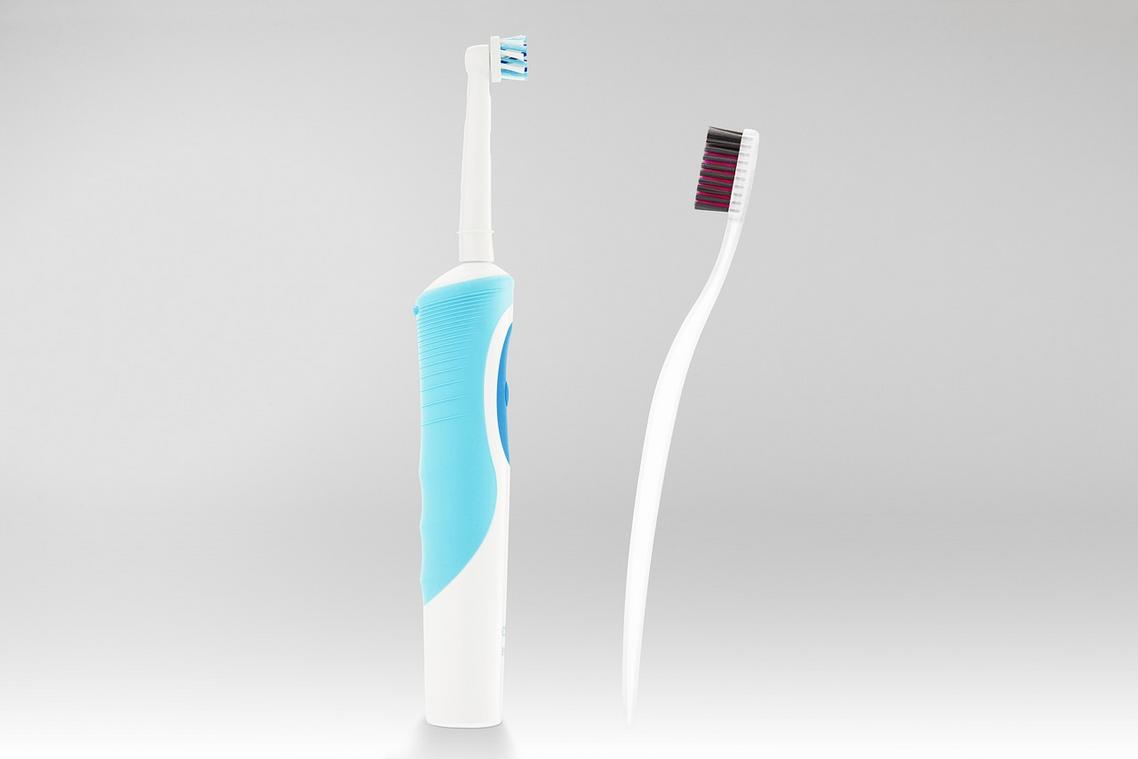
Routine cleaning is a high-frequency, low-intensity habit. Instead of waiting for chaos, you stay a step ahead. Think of it as brushing your teeth for your house—quick, preventative, and far less dramatic than emergency intervention.
Typical tasks include:
- Wiping down kitchen counters after use
- Sweeping high-traffic floors
- Making beds each morning
- Quickly cleaning bathroom sinks
- Tidying up common areas
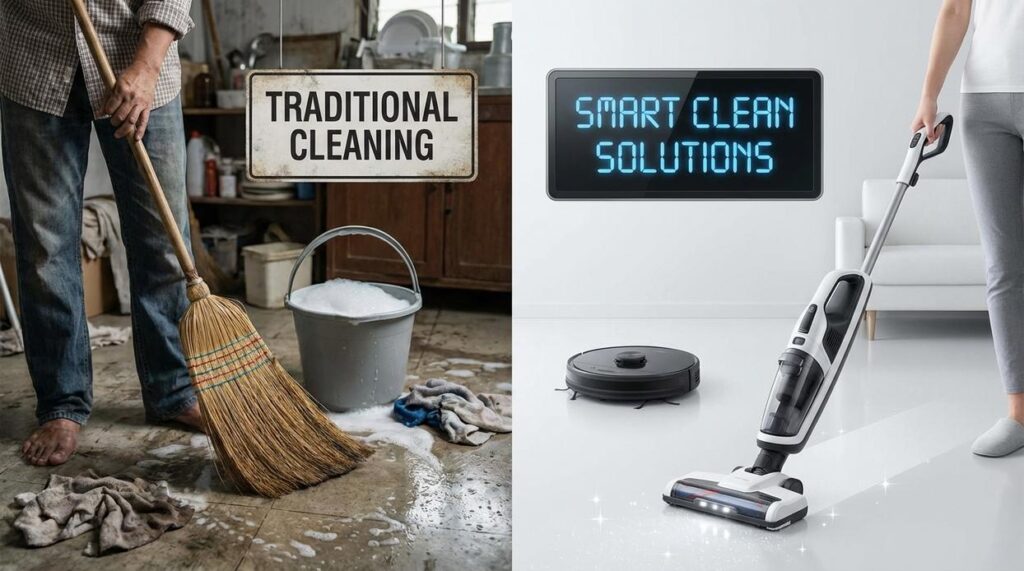
The tools? Keep them accessible. A microfiber cloth (a reusable, ultra-fine fiber cloth that traps dust), an all-purpose spray, a broom and dustpan, or a cordless vacuum make speed the priority. (Pro tip: store supplies where you use them to cut excuses in half.)
Some argue this is unnecessary—that you can just power through once a week. But in the debate of deep cleaning vs regular cleaning, daily upkeep wins by making the “deep” part far less daunting.
The goal isn’t perfection. It’s momentum.
The Foundational Reset: Unpacking Thorough Cleaning
I used to think my home was clean because it looked clean. Counters wiped. Floors vacuumed. Candles lit (because obviously that fixes everything). Then I pulled the fridge away from the wall.
That was my wake-up call.
Thorough cleaning—often called deep cleaning—is a low-frequency, high-intensity reset that tackles the dirt, bacteria, and buildup routine tidying skips. Unlike daily or weekly upkeep, this happens monthly, quarterly, or seasonally. Think of it as preventative maintenance for your living space.
The difference between deep cleaning vs regular cleaning becomes obvious when you look at the scope:
- Cleaning inside appliances like ovens, microwaves, and refrigerators
- Descaling washing machines and dishwashers
- Washing curtains and blinds
- Scrubbing grout lines
- Cleaning behind and under heavy furniture
- Sanitizing trash cans thoroughly
I once ignored descaling my washer for a year. The result? Odors, reduced efficiency, and an expensive service visit. Lesson learned: mineral buildup isn’t cosmetic—it damages components (Manufacturers like Whirlpool recommend regular descaling for longevity).
You’ll need more than surface sprays:
- Grout brushes
- Steam cleaners
- Targeted descaling solutions
- Extension dusters
- Heavy-duty cleaning agents
Thorough cleaning protects HOME HEALTH and preserves appliances. The CDC emphasizes routine sanitizing of high-contact areas to reduce germ spread, especially during illness seasons (CDC.gov). For guidance, review how to sanitize high touch surfaces effectively.
Some argue this level of effort is excessive. I disagreed too—until neglect cost me time and money. Pro tip: schedule seasonal resets on your calendar so they actually happen.
A Direct Comparison: Routine vs. Thorough Cleaning at a Glance
At first glance, routine and thorough cleaning can seem interchangeable. However, the difference becomes clear when you break them down point by point.
Time Commitment
Routine cleaning takes minutes. Think wiping counters, sweeping floors, or doing a quick vacuum pass before guests arrive. In contrast, thorough cleaning can take hours—or even a full weekend—because it involves moving furniture, scrubbing grout, or washing walls.
Focus Area
Routine cleaning targets surface-level tidiness, meaning what you can easily see and reach. Thorough cleaning focuses on foundational hygiene and hidden areas, such as baseboards, vents, and behind appliances (yes, even that mysterious space behind the fridge).
Effort Level
Routine tasks require low, consistent effort. You maintain order bit by bit. Thorough cleaning demands high, periodic effort, often involving heavy scrubbing and detailed attention.
Impact
Routine cleaning prevents immediate mess from piling up. Thorough cleaning eliminates deep-seated grime and allergens—important for long-term indoor air quality (EPA notes indoor pollutants can be 2–5 times higher than outdoors).
Cost
Routine cleaning uses basic supplies. Thorough cleaning may require specialized tools or solutions.
Understanding deep cleaning vs regular cleaning helps you plan smarter. For more practical upkeep strategies, explore https://livpristwash.com/home-care.
Creating a Sustainable System: How to Combine Both for Pristine Home Care
Many people treat cleaning methods as an either/or choice. In reality, they work better together. Think of it as maintenance vs overhaul: routine care keeps chaos at bay, while intensive sessions reset your space. In the classic deep cleaning vs regular cleaning debate, the smartest approach is blending both.
Here’s why. If you only do quick tidying (Plan A), grime slowly builds in hidden spots. If you only deep clean occasionally (Plan B), daily mess makes life feel cluttered in between. Combined, however, consistent upkeep makes thorough sessions faster and far less overwhelming (future you will be grateful).
Follow the 80/20 rule: 80% of your time goes to small, routine tasks that handle 80% of visible dirt. The remaining 20% delivers high-impact results.
Try this schedule:
- Daily (15 min): Tidy up, wipe kitchen surfaces, quick sweep.
- Weekly (1 hour): Clean bathrooms, vacuum floors, dust surfaces.
- Monthly (2–3 hours): One focused thorough task.
- Quarterly: Full-home reset weekend.
Most people believe a spotless home comes from exhausting weekend scrubs, but that’s backwards. A truly hygienic space is built through a smart, integrated system: light daily maintenance paired with strategic reset sessions. In other words, think deep cleaning vs regular cleaning as partners, not rivals. If you’ve felt like you’re always tidying yet never reaching that lasting “clean,” this is why. Marathon efforts create burnout; consistent rhythms create control. Moreover, a blended schedule reduces stress and prevents buildup before it spirals. Take ownership of the system, and you’ll enjoy a healthier, calmer home with less overall effort and time.
Keep Your Home Truly Pristine Year-Round
You came here to finally understand the difference between deep cleaning vs regular cleaning—and now you know exactly why both matter. Regular cleaning keeps your home looking tidy on the surface, but without strategic deep cleaning, hidden grime, buildup, and allergens continue to grow behind the scenes.
If you’ve been frustrated by lingering odors, dull surfaces, or appliances that don’t perform like they used to, the issue isn’t effort—it’s approach. A smart, consistent cleaning system is what protects your home, your comfort, and your investment long term.
Here’s your next step: create a simple cleaning schedule that combines weekly maintenance with planned deep cleaning sessions for high-impact areas like kitchens, bathrooms, and washing systems. If you want expert-backed tips, appliance care guides, and proven home maintenance strategies trusted by thousands of modern homeowners, start exploring our latest resources today.
Your home deserves more than surface-level care. Take action now and give it the pristine standard it was meant to have.