
Creating a home that truly feels like a sanctuary requires more than quick decluttering sessions or decorative updates. This guide offers a clear, foundational strategy to help you transform your space into a place that supports relaxation, clarity, and daily well-being. If your home feels chaotic, cramped, or impersonal, you’re not alone—and you’re in the right place. We’ll walk you step by step through practical changes, from furniture placement to smart home integration, designed to build a lasting cozy home environment. Backed by proven home system principles, this framework blends aesthetics and functionality for comfort you can feel every day.
Mastering Space and Flow for Natural Relaxation
The Psychology of Layout
Intentional furniture placement isn’t just aesthetic—it shapes behavior. Layout psychology (how spatial arrangement influences mood and movement) shows that clear pathways reduce cognitive load and stress (Evans & McCoy, 1998). When you can move through a room without sidestepping obstacles, your brain relaxes. Many competitors talk color palettes; few explain FLOW MECHANICS. Angle seating slightly inward to encourage conversation, and keep exits visible to create subconscious ease (yes, your brain likes a clear escape route).
Creating Functional Zones
Open plans often blur purpose. Instead, define micro-destinations:
- A reading nook with a dedicated lamp.
- A conversation cluster centered on seating.
- An entertainment hub with concealed cables.
This zoning method reduces “activity creep,” where work spills into rest areas (the Netflix-on-the-laptop problem).
The Art of Decluttering
Visual noise increases cortisol (Saxbe & Repetti, 2010). Follow the “one in, one out” rule to maintain equilibrium. For deeper systems, explore top home organization ideas for a clutter free lifestyle.
Negative Space Is Your Friend
Negative space—intentionally empty areas—prevents overstimulation. Leave 20–30% of surfaces clear to support a cozy home environment without sterility. Pro tip: group décor in odd numbers to keep emptiness feeling designed, not forgotten.
The Power of Light: Crafting Ambiance and Mood
Lighting isn’t just functional—it’s emotional. Done right, it shapes how a room feels the moment you walk in (think movie set magic, minus the camera crew).
Layering Your Lighting
Great spaces rely on three types of lighting working together.
Ambient vs. Task vs. Accent:
- Ambient lighting is your base layer—overhead fixtures or recessed lights that fill the room evenly.
- Task lighting focuses on function, like under-cabinet kitchen lights or a desk lamp for reading.
- Accent lighting highlights features—artwork, shelves, or architectural details.
Relying only on ambient lighting flattens a room. In contrast, layering all three adds depth and flexibility. For example, a living room with a ceiling fixture (ambient), a reading lamp (task), and wall sconces (accent) instantly feels more intentional.
Harnessing Natural Light
Natural light vs. artificial light isn’t a competition—it’s a partnership. Sheer curtains soften glare without blocking brightness. Strategically placed mirrors bounce daylight deeper into the room. Light-colored paint reflects illumination instead of absorbing it. Together, these choices amplify a cozy home environment effortlessly.
Choosing the Right Color Temperature
Warm light (2700K–3000K) feels soft and relaxing—ideal for bedrooms and living rooms. Cool light (3500K–5000K) is crisp and energizing, better for kitchens and offices. Warm vs. cool isn’t about preference alone; it’s about purpose.
The Importance of Dimmers
Overhead light at full brightness can feel clinical. Add a dimmer, and suddenly you control the mood morning to night. It’s the simplest, most affordable upgrade with the biggest impact.
Engaging the Senses with Textiles and Textures
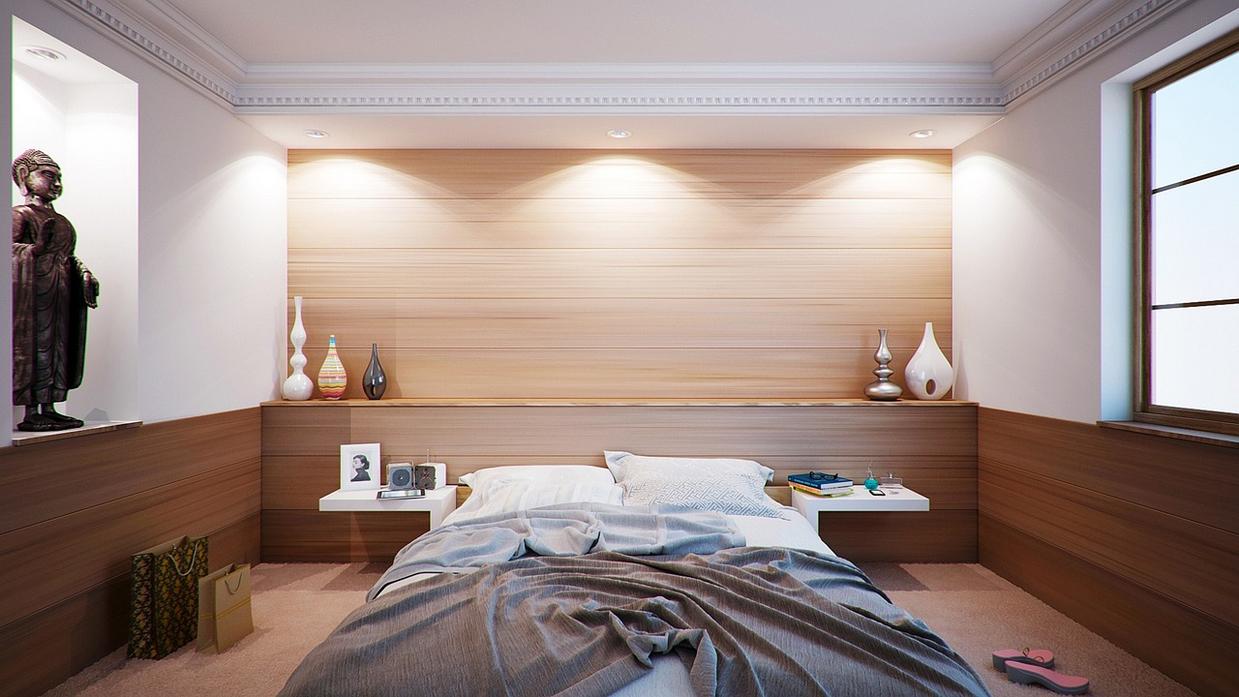
Creating a tactile palette means intentionally mixing materials—like wool (a warm, durable fiber), linen (a breathable fabric made from flax), velvet (a plush woven textile), and natural wood—to stimulate the senses. Some argue that combining too many textures feels busy or chaotic. That can be true (we’ve all seen the “fabric store exploded” look). But when tones are cohesive, varied textures actually add balance and depth—much like layering instruments in a song.
The Foundation of Comfort
An area rug anchors the room, defines zones, and softens every step. Critics say rugs trap dust or complicate cleaning. While maintenance matters, studies show textiles can improve acoustic comfort by absorbing sound (The Journal of the Acoustical Society of America). Pro tip: choose a low-pile wool rug for durability and easier upkeep.
Beyond Basic Pillows
Layering throws and cushions in varied sizes and fabrics builds visual warmth. Consider:
- A chunky knit throw for contrast
- Velvet cushions for softness
- Linen pillows for breathability
Some prefer a minimalist sofa with no extras. Yet thoughtful layering transforms seating into an inviting retreat—key to a cozy home environment.
Don’t Forget the Walls
Flat paint is safe. Textured wallpaper, fabric panels, or limewash (a mineral-based matte finish) add dimension light simply can’t fake (yes, even in small rooms).
Pristine Spaces and Smart Systems for Effortless Living
A clean home does more than sparkle; it lowers cortisol and sharpens focus (yes, science backs that up—see UCLA’s Center on Everyday Lives of Families studies). When surfaces are clear and floors are dust-free, your brain processes fewer visual stressors. The result? A calmer, cozy home environment that feels restorative the moment you walk in.
Build comfort with simple systems:
- Wipe high-touch surfaces nightly (two minutes, max).
- Run a robotic vacuum on a weekday schedule.
- Wash bedding weekly to reduce allergens.
Consistency beats intensity. Small, repeatable habits prevent weekend deep-clean marathons.
Automation takes this further. Smart thermostats learn your patterns and trim energy use by up to 10–12% annually (U.S. DOE estimates), while HEPA air purifiers capture 99.97% of particles as small as 0.3 microns. Automated blinds sync with sunrise to regulate temperature and protect furnishings from UV damage.
Lighting scenes add mood on command: “Movie Night” dims to 30% with warm tones; “Focus” boosts cool white at 4000K; “Relax” softens shadows for evening wind-down. It’s like set design for real life (minus the Hollywood budget).
Maintain systems regularly for quieter, longer-lasting performance and seamless everyday comfort at home.
From Living Space to Personal Sanctuary
You set out to create a home that feels restorative, not draining—and now you have the tools to do exactly that. A chaotic, uncomfortable space quietly steals your focus and energy each day. By improving flow, light, texture, and essential home systems, you replace stress with balance and build a cozy home environment that truly supports your well-being.
Don’t let overwhelm hold you back. Start with one small change today—declutter a corner, adjust your lighting, or upgrade a key home feature. Thousands of homeowners trust our expert-backed guidance to simplify home transformations. Take the first step now and turn your space into the sanctuary you deserve.