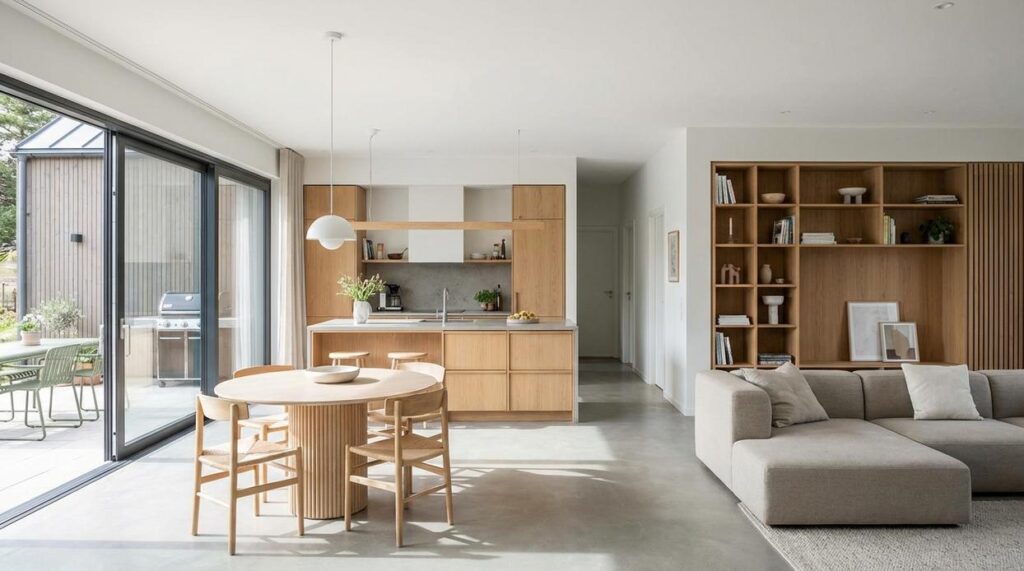
Creating a comfortable, functional, and beautiful home doesn’t happen by accident—it requires thoughtful decisions, practical knowledge, and the right tools. Whether you’re searching for inspiration to refresh your interiors, guidance on smart appliances, or reliable advice on washing system maintenance, this article is designed to give you clear, actionable insights you can trust. We focus on what truly improves everyday living: efficient layouts, durable materials, and maintenance strategies that keep your home running smoothly. From room layout planning that maximizes space and flow to selecting appliances that save time and energy, every recommendation is grounded in proven best practices and real-world experience. Our guidance draws on industry standards, hands-on expertise, and up-to-date research in home care and interior functionality. By the end, you’ll have practical steps you can apply immediately to create a cleaner, smarter, and more harmonious living environment.
From Awkward to Awesome: A Blueprint for Your Perfect Room Layout
Ever walk into your living room and feel like something’s just…off? The sofa blocks the radiator, the rug floats awkwardly, and traffic flow feels like the M25 at rush hour. Nice furniture doesn’t guarantee flow.
The fix isn’t buying more décor; it’s smart room layout planning. Drawing on interior design principles used in London flats and Manchester lofts, this guide walks you through measuring, mapping zones, and arranging pieces with purpose. In short, you’ll learn to plan like a pro and create a home that works for your lifestyle.
Step 1: Measure and Map Your Space with Precision
Before you move a single piece of furniture, understand this: accurate measurements are the non-negotiable foundation of any successful layout. Even a two-inch mistake can derail a design (yes, that “it’ll probably fit” guess has humbled many of us). According to the National Association of Home Builders, measurement errors are a leading cause of avoidable renovation costs. In other words, precision protects your budget.
Start by measuring the room’s length, width, and ceiling height using a steel tape measure for reliability. A digital laser measure is a modern alternative—faster and especially helpful in larger rooms. Next, measure windows, doorways, and permanent fixtures like fireplaces or radiators. These fixed elements shape your usable space.
Then, create a simple 2D sketch—also called a floor plan—on graph paper or a free online tool. Mark every dimension clearly. This step turns guesswork into strategy, making room layout planning smoother and far more rewarding. Pro tip: measure twice, write once.
Step 2: Define the Room’s Primary Function and Traffic Flow

Start with an anecdote about walking into a room that just felt off. I once rearranged my living room three times before realizing the problem wasn’t the sofa—it was confusion about the room’s purpose. Was it for movie nights, working from home, or hosting friends? Once I answered, “entertaining first,” everything changed.
Begin by asking: What is the main activity in this room? Sleeping, working, relaxing, entertaining—choose one. The layout should support that function above all else. (Yes, even if you love that oversized chair.) When a room tries to serve every purpose equally, it usually fails at all of them.
However, multi-purpose spaces are real life. That’s where zones come in. A zone is a clearly defined area within a larger room—like a reading nook in a living room or a desk corner in a bedroom. Rugs, lighting, and furniture placement help signal these subtle boundaries.
Next, consider traffic patterns, meaning the natural pathways people use to move through a space. You should never have to awkwardly weave around furniture like you’re dodging lasers in a spy movie. Leave 30–36 inches for major walkways and keep doors unobstructed.
Thoughtful room layout planning ensures the space works with you, not against you.
Step 3: Position Your Anchor Piece to Create a Focal Point
Every well-designed room starts with an anchor piece—the largest and most important item in the space. Think of the sofa in a living room, the bed in a bedroom, or the dining table where everyone inevitably gathers (even when you said dinner was “casual”). This piece sets the tone for all your room layout planning decisions.
Placement Rules to Follow
- Bedrooms: Place the bed’s headboard against the longest solid wall for balance and stability. You should be able to walk comfortably around both sides.
- Living Rooms: Position the sofa to face the natural focal point—like a fireplace, large window, or TV.
- Dining Rooms: Center the table under a light fixture to visually ground the space.
Some argue you can float furniture anywhere for a “designer look.” That can work in open concepts, but without intention, the room feels adrift. Anchoring first creates structure.
This large piece carries visual weight, meaning it naturally draws the eye and stabilizes the design. Once it’s placed, choosing rugs, lighting, and accent chairs becomes far easier.
What’s next? After anchoring, consider traffic flow and scale—especially in compact homes. If space is tight, explore small space design ideas that maximize every square foot: https://livpristwash.com/small-space-design-ideas-that-maximize-every-square-foot/.
Step 4: Layer in Secondary Furniture for Conversation and Utility
Once your anchor piece is in place (usually the sofa or dining table), everything else should support it. Think of the anchor as the sun and your secondary pieces as planets orbiting with purpose. This approach simplifies room layout planning and helps the space feel intentional rather than accidental.
In living rooms, create conversational groupings by keeping chairs within 8 feet of the sofa. That distance encourages easy dialogue—no shouting across the room like you’re in a noisy sitcom scene. Place the coffee table 14–18 inches from the sofa so it’s close enough for drinks but far enough for legroom. In dining areas, allow at least 3 feet behind each chair for smooth pull-out and traffic flow.
- Pro tip: Visually balance heavier furniture pieces across the room to avoid a lopsided feel.
When done well, this layering makes your home more functional, more inviting, and far easier to navigate daily.
Rugs, lighting, and decor are the finishing layers that make a layout feel intentional rather than accidental. Designers often cite a simple rule: place at least the front two legs of your sofa and chairs on the rug to visually anchor the seating zone. Studies in environmental psychology show defined zones improve comfort and perceived order.
Layer lighting in three tiers—ambient, task, and accent—to support how the space functions. A reading lamp beside an armchair increases usability and reduces eye strain.
Finally, art and accessories fill negative space, reinforcing your room layout planning decisions and completing the story beautifully together.
Bringing Your Thoughtfully Designed Space to Life
Congrats — on mastering the core principles of effective room layout design.
You’ve moved beyond simply placing furniture to designing FLOW, and that shift changes everything.
Think of your room like a stage: measure, define, anchor, layer, and integrate are the five rehearsals before opening night.
When you follow the process, chaos becomes choreography.
Here’s your simple roadmap:
- Measure
- Define
- Anchor
- Layer
- Integrate
Start by measuring your room; confidence grows with clarity.
Take the first step today and watch your vision come ALIVE.
Planning turns dreams tangible.
Bring Comfort and Function Together in Your Home
You came here looking for practical ways to create a home that feels organized, efficient, and easy to maintain. Now you have a clearer path forward — from optimizing room layout planning to maintaining appliances and building smarter cleaning routines that actually last.
A cluttered, inefficient space adds stress to your day and makes even simple tasks feel overwhelming. The good news? With the right layout decisions and consistent washing system care, you can reduce breakdowns, extend appliance life, and enjoy a home that truly supports your lifestyle.
Now it’s time to take action. Start by reviewing one room that feels inefficient and apply these layout and maintenance principles today. Then create a simple upkeep schedule to protect your appliances and keep everything running smoothly.
If you want expert-backed, easy-to-follow guidance trusted by thousands of homeowners, explore our top-rated home care resources and start transforming your space now. Your cleaner, smarter, more comfortable home is just one step away.