
If you’re searching for practical ways to prevent mold in washer units, you’re likely dealing with musty odors, dark rubber seal spots, or laundry that just doesn’t smell as fresh as it should. Mold in a washing machine is more than a nuisance—it can affect your appliance’s performance, your home’s air quality, and the cleanliness of your clothes.
This article is designed to give you clear, effective strategies to stop mold before it starts and eliminate it if it’s already present. We’ll break down why mold forms, the habits that encourage it, and the maintenance steps that keep your washer fresh long-term.
Our guidance is built on extensive research into appliance care best practices, manufacturer recommendations, and proven home maintenance techniques. By the end, you’ll have simple, actionable steps to keep your washing machine clean, efficient, and odor-free.
Understanding the Enemy: Why Your Washer is a Perfect Home for Mold
Mold thrives when three elements align—moisture, warmth, and darkness. Scientists call this the “mold triangle,” and your washing machine checks every box. After a cycle, the drum stays damp, internal components remain warm, and the closed door creates a dark, humid chamber. According to the EPA, mold can begin growing within 24–48 hours in moist environments—exactly the downtime between laundry days.
The main culprits? Detergent residue and fabric softener buildup. These leave behind organic film that mold treats like an all-you-can-eat buffet (gross, but accurate). Even high-efficiency detergents can accumulate when overused.
Problem hotspots include:
- The rubber door gasket (bellow), detergent dispenser, and inner drum.
Front-loaders are especially vulnerable because their airtight seals trap humidity. Consumer Reports testing has repeatedly noted higher odor complaints in front-load models. Top-loaders aren’t immune, but better airflow gives them a slight edge.
If you want to prevent mold in washer systems, understanding these conditions is the first step.
The 60-Second Post-Wash Routine: Your First Line of Defense
If you want to prevent mold in washer problems before they start, this 60-second routine is your best defense. It’s simple, practical, and far more effective than deep-cleaning after mildew takes over.
Rule #1: Leave the Door Ajar
First and foremost, keep the washer door slightly open after every load. This small habit allows air to circulate and dry out the drum. Mold thrives in dark, damp spaces (basically a spa day for mildew), so removing moisture shuts down its favorite environment.
Rule #2: Wipe Down the Gasket
Next, grab a clean cloth and quickly wipe the rubber gasket and inside of the glass door.
- Pull back the rubber seal gently.
- Wipe away visible moisture and debris.
- Dry the surface thoroughly.
This removes trapped water and soap scum—the residue mold feeds on.
Rule #3: Remove Clean Clothes Promptly
Equally important, transfer laundry to the dryer immediately. Letting wet clothes sit creates a humid microclimate inside the drum. Even an hour can invite that musty smell nobody wants clinging to fresh towels.
Rule #4: Use the Right Detergent (and the Right Amount)
Finally, use High-Efficiency (HE) detergent and measure carefully. HE formulas are designed to produce fewer suds, which means less leftover residue. Too much detergent leaves buildup behind—think of it as mold’s pantry.
For deeper upkeep tips, review this guide on washer filter maintenance a complete guide.
Stick to this routine consistently, and you’ll save yourself hours of scrubbing later.
The Monthly Deep Clean: How to Erase Buildup and Sanitize Your Machine
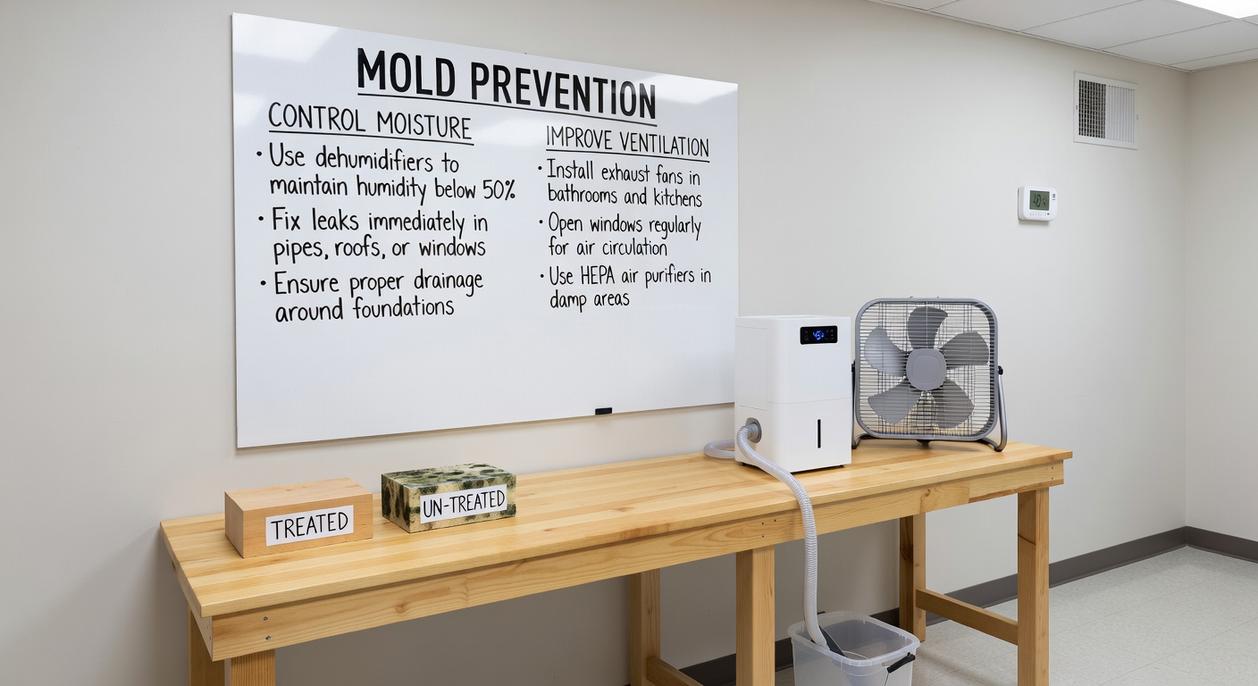
A monthly deep clean isn’t optional—it’s how you prevent mold in washer systems and keep laundry smelling fresh (because “mystery odor” is never a good surprise).
Step 1: Run a Sanitizing Cycle
Start with an empty, hottest-water cycle.
Option A: Commercial Cleaner
Designed specifically to dissolve detergent residue and mineral scale. It’s convenient and pre-measured (think plug-and-play).
Option B: Household Alternatives
Use 2 cups of distilled white vinegar or 1/2 cup bleach. Never mix them—combining the two creates toxic chlorine gas (CDC). Vinegar is gentler and eco-friendly; bleach is stronger for heavy mildew. Choose based on buildup severity.
Pro tip: If odors linger after one cycle, repeat before moving on.
Step 2: Clean the Gasket Thoroughly
Pull back the rubber door seal and inspect inside the folds. This is where grime hides. Wipe with a diluted vinegar solution or mild cleaner and a soft cloth. Vinegar works well for light buildup; a targeted mildew spray may be better for black spots (yes, it’s unpleasant—but necessary).
Step 3: Scrub the Dispenser Drawer
Remove the detergent drawer completely. Soak it in hot, soapy water for 10–15 minutes, then scrub with a small brush. Pay attention to fabric softener compartments where residue hardens.
- Rinse thoroughly
- Dry completely before reinserting
- Wipe the housing cavity inside the machine
Step 4: Check and Clean the Filter/Drain Pump
Locate the small access door at the bottom front. Place a towel underneath, unscrew slowly, and remove lint, hair, or debris. Reinstall securely.
Commercial products save time; DIY options save money. Either way, consistency wins.
Common Mistakes That Secretly Encourage Mold Growth
First, let’s clarify something: mold spores are microscopic fungi that float through the air and settle in damp places. Your washer, unfortunately, is prime real estate.
Over-reliance on cold washes is one issue. While cold water saves energy, it doesn’t break down oily residue or kill lingering spores as effectively as hot cycles. In other words, buildup stays put. Running an occasional hot wash for towels and sheets helps prevent mold in washer systems (think of it as a reset button).
Next, fabric softener. It seems harmless, but liquid versions leave a waxy coating inside the drum and pipes. That residue becomes food for mold. Less really is more here.
Then there’s the nose test. A faint musty smell is an early warning sign, not “just laundry.” Act quickly with a deep clean.
Finally, closing the washer or laundry room door traps humidity. Mold loves dark, damp spaces. Let it breathe.
Keep Your Washer Fresh and Mold-Free for Good
You came here because you’re tired of musty smells, mysterious black spots, and wondering whether your washer is actually getting your clothes clean. Now you know exactly what causes buildup, how moisture gets trapped, and the simple habits that prevent mold in washer systems before it starts.
The truth is, mold isn’t just unpleasant—it can ruin laundry, damage your machine, and create ongoing maintenance headaches. Ignoring it only makes the problem harder (and more expensive) to fix later.
The good news? A few consistent cleaning routines and smart washer-care habits can keep your machine fresh, efficient, and long-lasting.
If you’re ready to stop dealing with odors and protect your appliance, start implementing these maintenance steps today. For more proven home care tips and washer maintenance strategies trusted by thousands of homeowners, explore our expert guides and take control of your laundry routine now.