We’ve all been there. That heart-sinking instant when wine meets your new carpet or coffee splashes on your best shirt. You think: “Is it ruined?” I’ve spent years in home care, testing every so-called solution out there (most don’t work).
But I promise, there are simple, effective ways to conquer these messes. This isn’t about old wives’ tales. I’m talking real stain removal techniques (methods) that actually work.
I’ll guide you step-by-step using stuff you already own. So, ready to tackle stains like a pro? and make your home pristine again. You’re going to love this.
Be Prepared: Your Stain-Fighting Arsenal
Ever spill coffee on your shirt and panic? I have. It’s frustrating, right? Being prepared is the secret weapon to tackling stains before they ruin your day.
You don’t want to scramble for supplies when a spill happens. That’s why having a dedicated stain-fighting kit is a game-changer.
Let’s talk about the essentials. First up, white vinegar. It’s a mild acid that works wonders on coffee and grass stains.
Then there’s baking soda (trust) me, you need this. It’s a gentle abrasive and fantastic for making pastes that lift stains. Hydrogen peroxide (we’re talking 3% only) is your best friend for white fabrics.
But always test it first, especially on colored clothes. Dish soap, the clear kind, is a must-have. It’s a degreaser that tackles oily stains like a champ.
Rubbing alcohol is another kingpin in your kit. It’s super effective on ink and dye-based stains. Ever try getting pen ink out without it?
It’s a nightmare. And don’t forget clean white cloths or paper towels. White is key here; you don’t want to transfer dye while blotting.
Blot. Don’t rub (unless) you want a bigger mess.
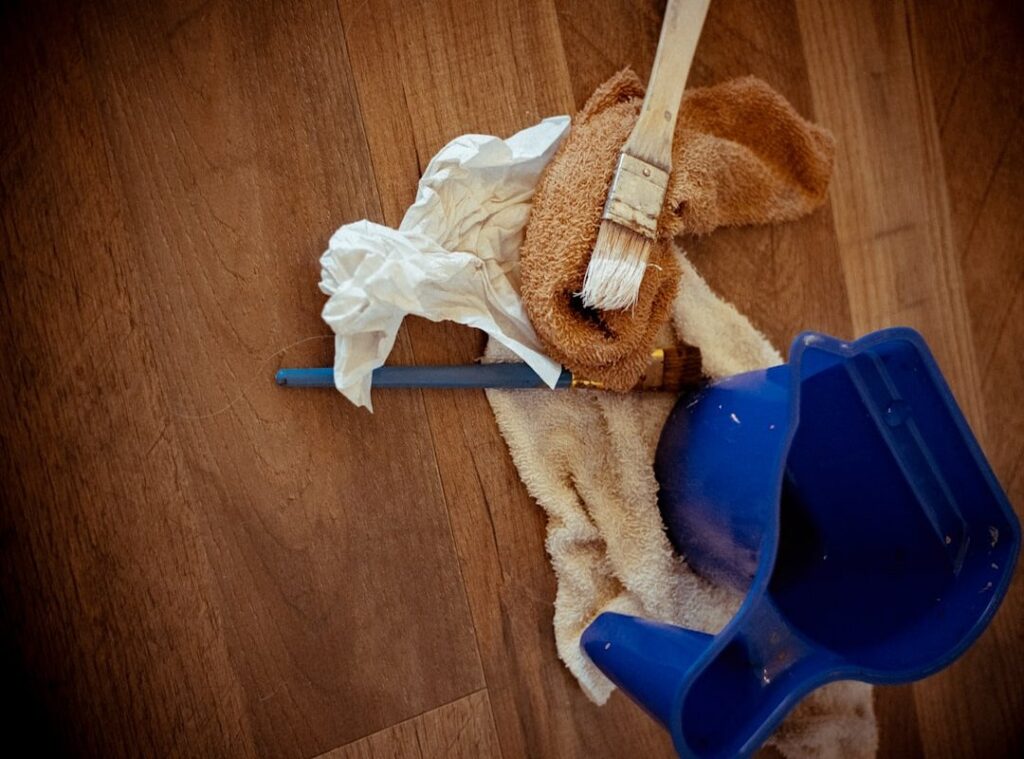
Finally, you need a soft-bristled brush, like an old toothbrush. This lets you gently work in the cleaning solutions without damaging the fabric. Ready to make your kit?
Once you’ve got these tools, you’re set for any stain emergency.
For more on home care, take a look at the best ways care hardwood floors. Because, let’s face it, our homes deserve the best care we can give them.
The Golden Rules: A 3-Step Universal Method for Most Stains
Dealing with stains. It’s a universal nightmare. But fear not, I’ve got a foolproof method to tackle those pesky spills. ### Step 1: Scrape & Blot (Don’t Rub!)
First things first: resist the urge to rub the stain. Why? Because rubbing just spreads the stain around and messes up the fabric fibers.
Trust me, I’ve seen it happen. Instead, grab a clean, dry cloth and start by removing any solid bits. Then, gently blot from the outside-in.
This way, you keep the stain from spreading across your favorite shirt or couch.
Step 2: Treat with a Solution
Now that you’ve contained the mess, it’s time to treat it. Start mild. Cool water is your friend here.
If that doesn’t do the trick, mix a bit of dish soap with water. Use a clean cloth to dab the solution gently onto the stain. This isn’t rocket science, but it requires a bit of patience.
I promise it works wonders.
Step 3: Rinse & Check
Once you’ve treated the stain, rinse the area thoroughly with cool water. Don’t skip this step. Leaving cleaning solution behind can attract more dirt later.
After rinsing, check the stain. If it’s still there, don’t apply heat yet. Heat will set it, making removal nearly impossible.
For more detailed stain removal techniques, check out some trusted resources. They’ve saved my clothes more than once.
Pro tip? Always have a stain removal kit on hand. It’s like a first-aid kit for your clothes.
Who knew a bit of preparation could make such a difference?
Your Stain-Specific Cheat Sheet: Conquering the Toughest Culprits
Let’s face it, stains are like uninvited guests. They always show up when you least expect them. Knowing how to tackle them is a game-changer.

Here’s my personal toolbox for kicking them out.
Red Wine
First up, red wine. Who hasn’t spilled a glass at a party? Blot it immediately.
Don’t rub. Rubbing pushes it deeper into the fabric. Cover the spot with salt or baking soda to soak up the liquid.
Wait, be patient. Then, mix hydrogen peroxide with dish soap if the fabric is light. For dark fabrics, club soda can do wonders.
Trust me, it works.
Coffee/Tea
Another common culprit: coffee and tea. These are tannin stains. What does that mean?
They’re plant-based, so they’re a bit tricky. Rinse the spot with cold water first. Then throw together a mix of white vinegar and water.
Apply it generously. If it persists, grab an enzyme cleaner. Those stubborn stains won’t stand a chance.
Oil & Grease
Oil and grease stains are sneaky. You can’t just rinse them out. First, absorb the oil.
Baking soda or cornstarch can do the trick. Cover it entirely. Let it sit for about 30 minutes.
Scrape it off gently. What’s left? Treat it with clear dish soap.
Now, you’re ready to throw it in the wash. (Make sure the fabric can handle it.)
Ink
Ink is where it gets interesting. Water-based ink is easy. Just dab with a damp cloth.
But permanent ink? That’s another issue. You’ll need rubbing alcohol or hand sanitizer.
Place a clean cloth behind the stain. Blot from the front. The ink should transfer to the cloth behind.
It’s almost like magic.
These stain removal techniques will save you headaches and money. Want more on keeping your home pristine? Check out deep cleaning essentials renovation.
It’s got everything you need to level up your cleaning game.
Stains happen to everyone. It’s not about avoiding them. It’s about knowing what to do when they show up.
Now you’re armed with the know-how. Go tackle those stains with confidence. (And maybe think twice before wearing that white shirt to dinner.)
Stains Begone: Avoid These Common Mistakes
You ever feel like stains have it out for you? They’re sneaky, and if you’re not careful, they’ll get the best of you.
Using hot water on unknown stains? Big mistake. Heat locks in protein-based stains. Think eggs, dairy, or blood. And then you’re stuck forever. And who wants that?
Now, if you think rubbing will magically erase the problem, think again. Vigorous scrubbing grinds stains deeper, making a mess of your fabric and sometimes messing up the color too. It’s like asking for trouble.
Bleach is another disaster waiting to happen. Chlorine bleach might just as well be a flame thrower for your clothes. It can yellow synthetics and destroy natural fibers like wool and silk.
Oh, and let’s talk about colored cloths for a second. These can transfer dye onto the fabric you’re trying to clean, giving you a bonus stain. Fun, right?
The safer bet is to go for oxygen-based bleaches. Trust me, they’re way kinder to your stuff.
These aren’t just arbitrary rules. They’re stain removal techniques that can save your clothes from becoming. Let’s face it.
Rags. Next time you’re in a stain battle, keep these tips in mind. Your wardrobe will thank you for it.
Take Control of Your Home’s Cleanliness
Tired of feeling defeated by stubborn stains? I get it. But here’s the thing: unexpected spills don’t have to ruin your day.
With the right preparation (your kit) and stain removal techniques (our 3-step rule and cheat sheet), you hold the power in your hands. You can tackle any stain. Assemble your stain-fighting kit today.
Be ready for whatever mishaps life throws your way. Bookmark this page as your go-to guide. Ready to reclaim your home?
Stop stressing and start acting. Visit livpristwash.com to get your kit and master stress-free cleaning.
 Head of Content & Home Living Specialist
James Christopherainenzo writes the kind of home living highlights content that people actually send to each other. Not because it's flashy or controversial, but because it's the sort of thing where you read it and immediately think of three people who need to see it. James has a talent for identifying the questions that a lot of people have but haven't quite figured out how to articulate yet — and then answering them properly.
They covers a lot of ground: Home Living Highlights, Smart Appliances and Clean Living, Pristine Home Care Techniques, and plenty of adjacent territory that doesn't always get treated with the same seriousness. The consistency across all of it is a certain kind of respect for the reader. James doesn't assume people are stupid, and they doesn't assume they know everything either. They writes for someone who is genuinely trying to figure something out — because that's usually who's actually reading. That assumption shapes everything from how they structures an explanation to how much background they includes before getting to the point.
Beyond the practical stuff, there's something in James's writing that reflects a real investment in the subject — not performed enthusiasm, but the kind of sustained interest that produces insight over time. They has been paying attention to home living highlights long enough that they notices things a more casual observer would miss. That depth shows up in the work in ways that are hard to fake.
Head of Content & Home Living Specialist
James Christopherainenzo writes the kind of home living highlights content that people actually send to each other. Not because it's flashy or controversial, but because it's the sort of thing where you read it and immediately think of three people who need to see it. James has a talent for identifying the questions that a lot of people have but haven't quite figured out how to articulate yet — and then answering them properly.
They covers a lot of ground: Home Living Highlights, Smart Appliances and Clean Living, Pristine Home Care Techniques, and plenty of adjacent territory that doesn't always get treated with the same seriousness. The consistency across all of it is a certain kind of respect for the reader. James doesn't assume people are stupid, and they doesn't assume they know everything either. They writes for someone who is genuinely trying to figure something out — because that's usually who's actually reading. That assumption shapes everything from how they structures an explanation to how much background they includes before getting to the point.
Beyond the practical stuff, there's something in James's writing that reflects a real investment in the subject — not performed enthusiasm, but the kind of sustained interest that produces insight over time. They has been paying attention to home living highlights long enough that they notices things a more casual observer would miss. That depth shows up in the work in ways that are hard to fake.