There’s nothing quite like the feeling of a truly clean home—and it all begins under your feet. Floors are the largest surface in any room, yet they’re often the biggest collectors of dust, allergens, and germs that quietly affect your home’s hygiene and air quality. If you’ve ever wondered why a space still feels unclean after tidying up, your floors may be the reason. This guide goes beyond basic sweeping and mopping. You’ll learn how to create a practical, sustainable system for maintaining spotless floors across every surface type, ensuring long-lasting cleanliness and a healthier living environment.
I used to think clean floors were mostly about appearances—until my nephew started sneezing every time he visited. That’s when I learned how much dust, pet dander, and pollen settle into carpets and cling to hard surfaces. Once I committed to maintaining spotless floors, his sniffles noticeably eased. Regular sweeping and mopping trap these particles instead of letting them circulate through the air (and into our lungs). The EPA notes that indoor air can be more polluted than outdoor air, largely due to accumulated debris (EPA.gov).
Beyond air quality, there’s hygiene. Shoes track in bacteria from sidewalks and soil—studies have found E. coli on a significant percentage of footwear (University of Arizona). Especially with kids playing on the floor, that matters.
Then there’s longevity. Grit acts like sandpaper, causing micro-scratches on hardwood and laminate. Over time, that dulls the shine. Pro tip: use entry mats to reduce abrasion. Think of it as floor armor—less Cinderella, more practical magic.
Hardwood Floors
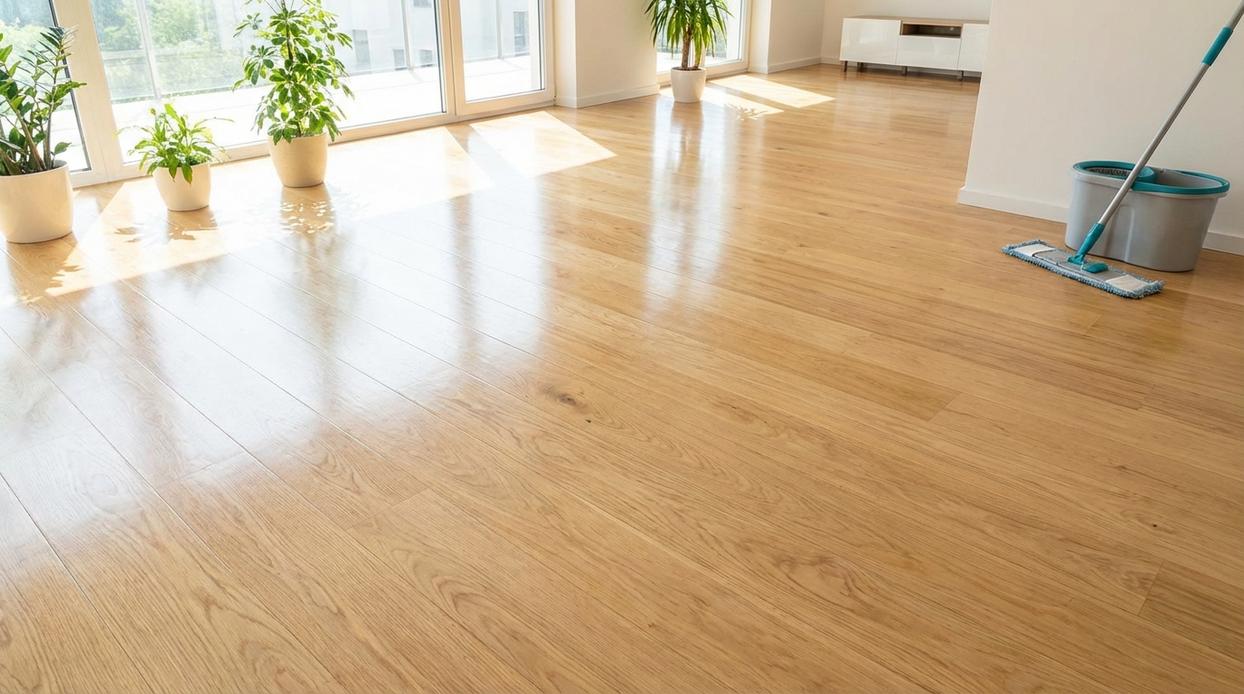
Hardwood demands precision. Use a microfiber mop, which traps fine debris without scratching the finish. Pair it with a pH-neutral cleaner—that means a solution balanced to avoid stripping protective coatings. Excess water is the real villain; moisture seeps into seams, causing swelling and warping (an expensive lesson many homeowners learn too late). Light, periodic polishing restores sheen and adds protection. Skip steam mops entirely; manufacturers and the National Wood Flooring Association warn against excess heat and moisture exposure.
Tile and Grout
Tile and grout present a two-part challenge competitors rarely separate clearly. Tiles handle daily sweeping and damp mopping well, especially with porcelain or ceramic finishes. Grout, however, is porous—meaning it absorbs stains easily. For deep cleaning, use:
- A narrow grout brush for targeted agitation
- A baking soda and hydrogen peroxide paste or manufacturer-approved cleaner
Let the solution dwell before scrubbing. Sealing grout annually adds resistance most guides overlook.
Laminate and Vinyl
Laminate and vinyl rely on a protective wear layer—a transparent top coating that shields the printed design beneath. Abrasive scrubbers, wax, or polish can dull or cloud this surface permanently. Instead, use a damp (not wet) mop with a manufacturer-approved cleaner. Avoid ammonia-based products unless specified safe. Pro tip: always wring your mop thoroughly; standing moisture can seep between planks, loosening adhesive and shortening lifespan significantly over time.
Carpet and Rugs
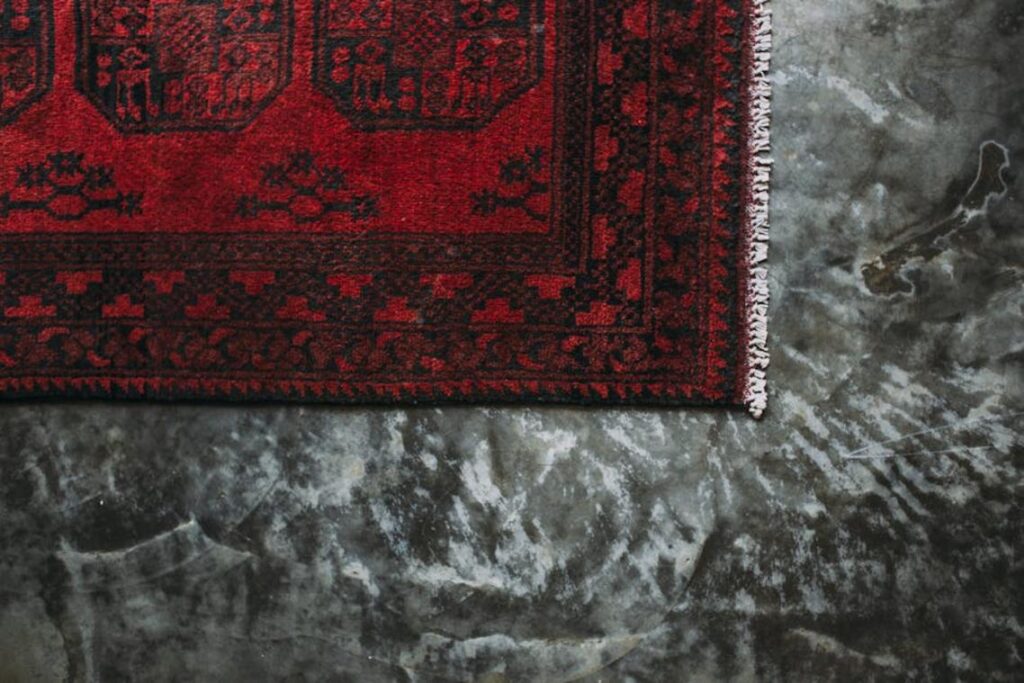
Carpet fibers trap dust, allergens, and debris deep below the surface. Frequent vacuuming with a HEPA-filter vacuum—certified to capture 99.97% of particles as small as 0.3 microns (EPA)—reduces buildup and improves air quality. Treat spills immediately by blotting, never rubbing (rubbing spreads stains like gossip). Annual steam cleaning extracts embedded grime. For a broader plan, follow the ultimate weekly home cleaning routine to support maintaining spotless floors year-round.
Creating Your Ultimate Floor Upkeep Schedule
If you’ve ever wondered why some homes always look fresh, the answer isn’t magic—it’s routine. More specifically, it’s maintaining spotless floors through small, consistent actions that compound over time. Some argue that deep cleaning once a month is enough. However, waiting too long allows dirt to settle into fibers and grout, making the job harder later (and nobody wants a Saturday lost to scrubbing).
1. Daily Habits (5-Minute Tasks)
First, focus on high-impact areas. Sweep or vacuum entryways and kitchens, where debris collects fastest. Next, wipe spills immediately to prevent stains or warping. These quick resets stop damage before it starts.
2. Weekly Reset (Comprehensive Clean)
Then, schedule a full-home refresh. Move light furniture, vacuum thoroughly—including edges—and mop hard surfaces. While some believe robotic vacuums make this step optional, speculation suggests future smart-floor systems may detect grime levels automatically. Until then, hands-on care wins.
3. Monthly and Seasonal Deep Dives
Finally, tackle grout scrubbing, hardwood polishing, or carpet shampooing. Admittedly, it’s more effort. Yet seasonal deep cleans extend floor lifespan and preserve value.
Looking ahead, experts predict antimicrobial coatings and AI-powered cleaning alerts will become standard. Even so, no innovation will replace a thoughtful schedule.
Modern Tools and Smart Technology for Effortless Cleaning
I used to think Saturday mornings were for cartoons and coffee—until I became an adult and they turned into floor duty. The turning point came when I bought a robotic vacuum. Watching it glide under my couch (a place I’d been “ignoring” for months) felt like hiring a tiny, determined housekeeper. These devices use sensors and mapping tech to navigate rooms and maintain a baseline of cleanliness, especially for maintaining spotless floors between deep cleans.
Cordless stick vacuums are my go-to for cereal spills and pet hair. For heavier jobs, upright or canister vacuums with HEPA filters—high-efficiency particulate air filters that trap 99.97% of particles as small as 0.3 microns (EPA.gov)—make a noticeable difference in allergies.
- Steam mops sanitize sealed floors using heat, not chemicals.
- Carpet cleaners lift stubborn stains before they settle in for good.
Pro tip: Run your robot vacuum daily; deep clean weekly.
A Step-by-Step Path to a Pristine Living Space
A clean home doesn’t happen by accident—it’s built through small, consistent actions. Instead of exhausting yourself with occasional deep cleans, remember that regular, scheduled upkeep is far more effective and sustainable. Dirty floors don’t just look bad—they impact your home’s comfort, hygiene, and overall feel.
The good news is that maintaining spotless floors is simple when you match the right tools and cleaning methods to each surface and follow a realistic routine. You came here for a practical path to a cleaner living space—and now you have it.
Start today by choosing just one daily habit from the schedule and commit to it this week. That single step can transform your routine—and your floors.