If you’re looking to create a cleaner, more comfortable home, you’re likely wondering how everyday choices—from appliances to maintenance routines—impact your indoor air quality and health. With so much conflicting advice online, it can be difficult to know which upgrades and habits truly make a difference.
This article is designed to give you clear, practical guidance on improving your living space through smarter appliance use, effective washing system maintenance, and simple home care strategies that actually work. We focus on solutions that enhance performance, extend the life of your equipment, and support a fresher indoor environment.
Our insights are grounded in industry best practices, building science principles, and up-to-date research on home systems and air quality. By the end, you’ll understand which changes have the biggest impact, how to maintain a pristine home efficiently, and how to make informed decisions that support long-term comfort and cleanliness.
Indoor air can be 2 to 5 times more polluted than outdoor air. That statistic surprises most homeowners—and it shouldn’t. Everyday items like scented candles, cleaning sprays, and even your couch release invisible pollutants that linger long after you notice the smell. These particles affect allergies, headaches, focus, and sleep quality. The conversation around indoor air quality and health often skips practical details competitors ignore: washing machine mold buildup and clogged HVAC filters quietly recirculate contaminants. Clean living is measurable, not mystical.
• Ventilate during and after cleaning
• Maintain filters and washing systems monthly
This guide delivers simple, low-cost fixes that make the difference.
Identifying the Invisible Intruders: Common Indoor Pollutants and Their Sources
We obsess over what’s outside—traffic fumes, factory smoke—yet forget what’s floating around our living rooms. In my opinion, the real threat to indoor air quality and health often hides in plain sight.
Particulate Matter includes dust, pet dander, and pollen—tiny particles that drift through the air. Cooking, especially frying, releases fine particles, and yes, even your laser printer emits ultrafine particles (surprise). Dust mites, thriving in bedding and carpets, are notorious asthma triggers (CDC).
Volatile Organic Compounds (VOCs) are gases released from solids or liquids. New furniture, fresh paint, and cleaning sprays “off-gas” VOCs that can cause headaches, dizziness, and throat irritation (EPA). That “new couch smell”? Not as charming as it sounds.
Biological Pollutants include mold, bacteria, and pet saliva proteins. Damp basements, leaky pipes, and poorly ventilated bathrooms create ideal mold conditions. Mold spores can worsen allergies and lead to respiratory issues (WHO).
So where should you start?
- Check for musty odors in basements
- Inspect around windows for condensation
- Vacuum carpets and wash bedding weekly
- Notice headaches after painting or buying new furniture
If you wouldn’t drink contaminated water, why breathe contaminated air?
Source Control and Removal: Your First Line of Defense
If you’ve ever watched a superhero movie, you know the golden rule: stop the villain at the source. The same logic applies at home. Removing pollutants beats simply circulating them. Air fresheners and fans may mask odors (Febreze can’t snap away particles like Thanos), but SOURCE CONTROL is what actually protects your indoor air quality and health.
Start with a high-impact routine. Vacuum weekly using a sealed HEPA (High-Efficiency Particulate Air) filter—this means the machine traps microscopic particles instead of blasting them back out. Follow with damp-dusting; a slightly wet microfiber cloth grabs dust instead of spreading it around like you’re rehearsing a scene from “Home Alone.” Wash bedding in hot water (at least 130°F) weekly to eliminate dust mites.
Appliance care matters more than most people think. Washing machines and dishwashers can harbor mold in rubber seals and clogged filters. Clean seals monthly and run a maintenance cycle with a manufacturer-approved cleaner. (Pro tip: leave the washer door ajar between loads to discourage mildew.)
Some argue that modern ventilation systems make deep cleaning less critical. Not quite. Circulating contaminated air is like reheating leftovers that were never good to begin with.
Finally, choose low-VOC (volatile organic compound) paints, furniture, and cleaning supplies. Look for labels like Green Seal and Greenguard Certified. These indicate reduced chemical emissions.
If you’re rethinking what makes a house feel like home exploring the essentials, remember: CLEAN AIR ISN’T A LUXURY. It’s foundational.
The Power of Fresh Air: Smart Ventilation Strategies
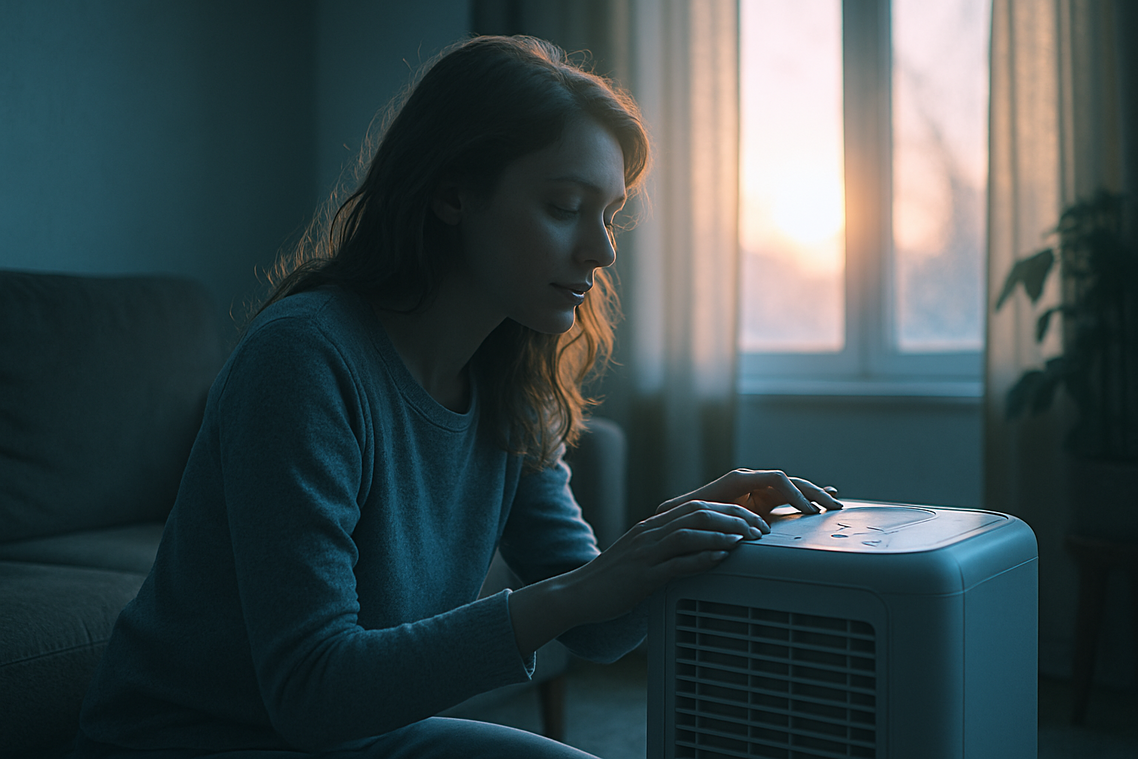
Air exchange simply means replacing stale indoor air with fresh outdoor air. When air sits too long, pollutants concentrate—think cooking fumes, cleaning chemicals, pet dander, and excess moisture all lingering in the same space (like guests who forgot to leave). Without movement, those particles build up, which directly affects indoor air quality and health.
Back in 2020, when more people began working from home, researchers noted a spike in complaints about stuffy rooms and headaches linked to poor ventilation (EPA). The fix, fortunately, is often simple.
First, create a cross-breeze. Open windows on opposite sides of your home for at least 15 minutes daily. This encourages natural airflow that sweeps pollutants out and pulls fresh air in. Even in cooler months, a short burst works wonders.
Next, always use exhaust fans. Turn them on while cooking and during—and for 10–15 minutes after—showers. These fans vent moisture and contaminants directly outside, preventing mold and odor buildup.
For tightly sealed modern homes, whole-house ventilation systems provide consistent air exchange year-round. Some argue they’re unnecessary if you “just crack a window.” However, in energy-efficient builds, controlled systems ensure steady airflow without sacrificing comfort. Pro tip: Check that vents actually exhaust outdoors, not into attics.
Filtering Your Air: Choosing the Right Technology for Your Home
First, let’s clear the air—literally. If you’re shopping for an air purifier, choose one with a HEPA (High-Efficiency Particulate Air) filter. HEPA filters capture 99.97% of particles as small as 0.3 microns, including pollen, dust, and pet dander (the usual suspects). That’s why they’re considered the gold standard.
Next, check your HVAC filter’s MERV rating—Minimum Efficiency Reporting Value measures how effectively a filter traps particles. For most homes, a MERV 8–13 hits the sweet spot between filtration and airflow. Higher isn’t always better; overly dense filters can strain your system (and your wallet).
Meanwhile, control humidity. Keep levels between 30–50% with a dehumidifier to discourage mold and dust mites.
Finally, add houseplants like Snake Plants or Peace Lilies as a light, natural boost. They won’t replace filters, but they support indoor air quality and health—think supporting cast, not superhero.
A healthier home doesn’t happen by accident—it begins with the air you breathe. The EPA reports that indoor air can be two to five times more polluted than outdoor air, meaning invisible contaminants quietly affect your mood, sleep, and lungs. In other words, what you can’t see can hurt you. Managing indoor air quality and health is an ongoing commitment, not a one-time fix. Reduce pollution at its source, ventilate strategically, and replace filters regularly. Today, open a window for ten minutes or check your HVAC filter. Small steps now create cleaner breaths tomorrow. Start with one simple change today.
Breathe Easier and Take Control of Your Home Environment
You came here looking for real answers about improving your home’s air and creating a cleaner, safer space. Now you understand how the right washing systems, smart maintenance habits, and consistent care routines directly impact indoor air quality and health.
The truth is, poor air circulation, neglected filters, and improperly maintained appliances don’t just affect comfort — they affect how you feel every single day. Lingering allergens, hidden moisture, and built-up debris can quietly compromise your living space and your well-being.
The good news? You don’t have to live with that risk.
Take the next step toward a fresher, healthier home by upgrading your maintenance routine and using trusted, expert-backed guidance to keep your systems performing at their best. Thousands of homeowners rely on our top-rated home care insights to eliminate hidden air quality issues and protect what matters most.
Don’t wait for stale air or preventable problems to get worse. Start optimizing your home today and experience the difference a truly clean environment can make.