
Keeping your home consistently clean can feel overwhelming—especially when you’re juggling work, family, and everything in between. If you’re searching for a practical, realistic way to stay on top of chores without spending your entire weekend scrubbing, this guide to a weekly home cleaning routine is exactly what you need.
This article breaks down a clear, room-by-room system designed to save time, reduce stress, and maintain a fresh, organized living space. Instead of vague tips, you’ll find structured steps that help you clean smarter, not longer.
To ensure this routine is effective and easy to maintain, we’ve drawn on expert-backed home care practices, appliance maintenance guidelines, and proven cleaning strategies used in modern households. The result is a streamlined approach that prevents buildup, protects your surfaces and appliances, and keeps your home looking its best—week after week.
If your goal is a cleaner home with less effort, you’re in the right place.
Understanding a smart appliance doesn’t require an engineering degree. In simple terms, it’s a household device that connects to the internet to automate tasks or share data. Think of a washing machine that alerts you when a cycle finishes or adjusts water levels automatically. That convenience supports a weekly home cleaning routine by saving time and reducing guesswork.
Confused about maintenance? Break it down into three basics:
- Regular cleaning prevents buildup.
- Proper loading improves efficiency.
- Scheduled inspections extend lifespan.
Preventive care simply means fixing small issues before they become expensive repairs. Like brushing your teeth, consistent upkeep keeps everything running.
Keeping your home consistently clean doesn’t require marathon scrubbing sessions. Instead, focus on small, repeatable actions that prevent mess from piling up in the first place. For example, wiping kitchen counters immediately after cooking stops grease buildup (which is far harder to remove later). Likewise, running a hot rinse cycle in your washing machine once a week helps prevent odor-causing residue.
If you feel overwhelmed, start with a simple weekly home cleaning routine that covers high-traffic areas first. Entryways, kitchens, and bathrooms typically need the most attention because they collect dirt and moisture quickly. Then, rotate deeper tasks like baseboards or appliance detailing.
Some people argue that daily tidying is unnecessary. However, light maintenance actually saves time long term and protects surfaces from wear. Think of it like brushing your teeth—skip it too often, and the fix becomes complicated.
Pro tip: Use microfiber cloths for dusting; they trap particles more effectively than cotton (and reduce airborne allergens).
Why a Smarter Cleaning System Pays Off
A clean home isn’t just about appearances; it’s about function, comfort, and control. When you create a structured weekly home cleaning routine, you’re building what experts call a maintenance baseline—the minimum level of care that prevents dirt, clutter, and appliance wear from spiraling into costly problems (American Cleaning Institute).
What’s in it for you? First, time savings. Studies show that people who follow consistent cleaning schedules spend less total time scrubbing because buildup never gets out of hand (Good Housekeeping Institute). Think of it like brushing your teeth: skip it for a week and suddenly you’re booking a dentist appointment (and nobody wants that plot twist).
Second, longer-lasting appliances. Washing machines, dishwashers, and smart vacuums perform best when filters are cleared and seals are wiped regularly. That’s called preventive maintenance—small actions that reduce the risk of breakdown. A few minutes today can save hundreds tomorrow.
Some argue that deep cleaning once a month is enough. And sure, if you enjoy marathon scrubbing sessions that feel like a reality show challenge, go for it. But consistent upkeep spreads the effort evenly, reduces stress, and keeps your space guest-ready without panic cleaning.
There’s also a mental benefit. Researchers link tidy environments to improved focus and lower cortisol levels (Princeton Neuroscience Institute). In plain terms: less chaos, more calm.
Pro tip: Assign tasks to specific days—laundry Monday, surfaces Wednesday, floors Saturday. Decision fatigue disappears when the plan is already made.
Finally, a streamlined system protects what you’ve invested in—your floors, fabrics, and fixtures. Instead of reacting to messes, you stay ahead of them. And that’s the real advantage: a home that supports your life instead of interrupting it.
Because when your space runs smoothly, so do you.
Why Timing Changes How You Clean
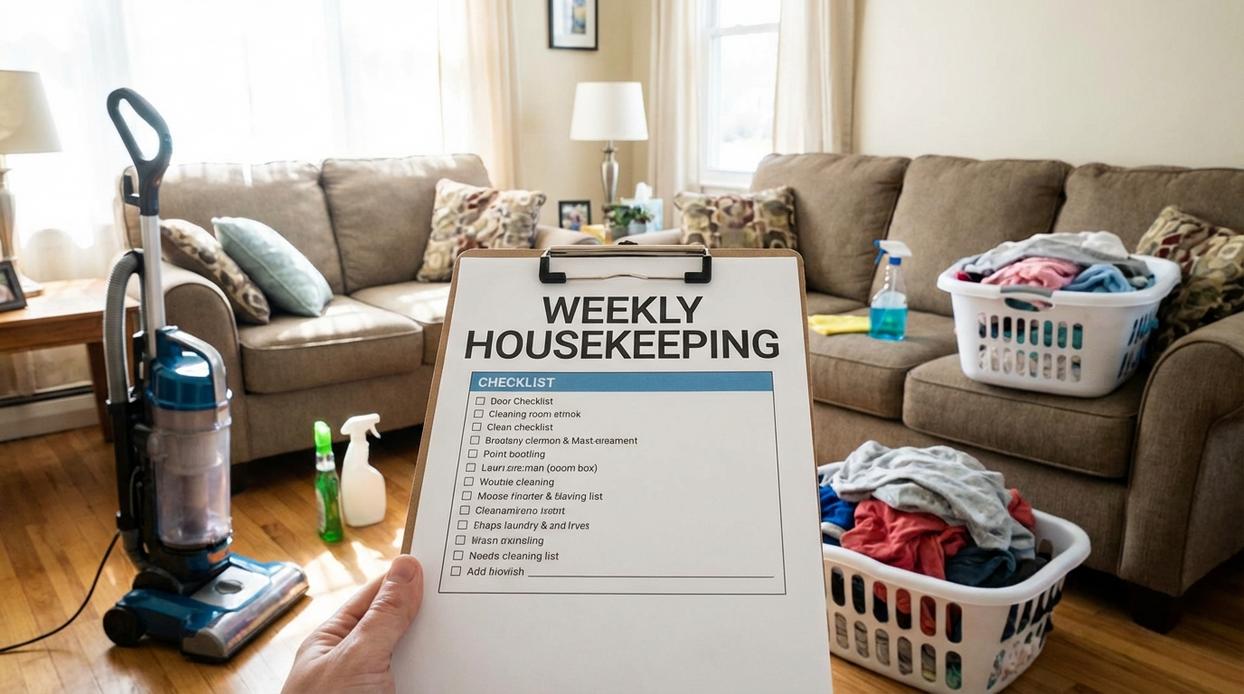
Back in 2020, when many of us were suddenly home all day, cleaning habits shifted fast. What used to be a quick Saturday tidy-up turned into full-blown sanitation sessions. That’s when debates about deep cleaning versus regular upkeep really took off.
First, definitions. Regular cleaning means routine tasks like vacuuming, wiping counters, and doing laundry to maintain everyday order. Deep cleaning goes further—scrubbing grout, washing baseboards, and sanitizing hidden buildup behind appliances (yes, even that mysterious space under the fridge).
Some argue deep cleaning is overkill. If you stick to a consistent weekly home cleaning routine, isn’t that enough? In many cases, yes. Maintenance prevents grime from becoming a science experiment. But here’s the counterpoint: buildup is gradual and often invisible. The American Cleaning Institute notes that neglected moisture-prone areas can harbor bacteria over time (cleaninginstitute.org).
Think of it like dental care. Brushing daily matters, but you still see the dentist twice a year. The same logic applies here. For a clearer breakdown, see deep cleaning vs regular cleaning whats the difference.
Pro tip: schedule deep cleaning quarterly. It’s easier to maintain freshness than to rescue a neglected space (future you will be grateful).
Keeping a home clean sounds simple, yet opinions vary. Some argue that deep cleaning once a month is enough, especially for busy households. After all, if surfaces look tidy, why stress? But clean and merely tidy are different. Clean means removing dirt, allergens, and bacteria that linger beyond what the eye can see (yes, even on that “spotless” coffee table).
A weekly home cleaning routine creates consistency. It breaks tasks into manageable steps—vacuuming high-traffic areas, wiping down appliances, laundering linens—so grime never builds into a weekend-long marathon. Critics say routines feel rigid or time-consuming. Fair point. However, structure actually saves time because you avoid decision fatigue and last-minute scrambles before guests arrive.
Consider appliances: filter checks and drum wipes extend their lifespan, according to manufacturers like Whirlpool and LG. Skipping maintenance may seem harmless now, but repairs cost more later. Pro tip: pair chores with podcasts to make repetition enjoyable.
It’s one thing to talk about spotless homes in theory; it’s another to keep grit from winter sidewalks out of your entryway. In colder climates, salt stains and slush demand faster floor rotations (yes, even on busy Mondays). A smart weekly home cleaning routine keeps chaos predictable.
Focus areas pros swear by:
- High-traffic mudrooms where debris collects
- Washer filters clogged by mineral-heavy municipal water
- Vent covers trapping city dust
Some argue deep cleans should be seasonal only. But in dense neighborhoods, buildup happens fast. Stay ahead, and your appliances—and sanity—last longer. Pro tip: descale washers quarterly in hard-water zones.
Keep Your Home Fresh, Clean, and Effortless
You came here looking for a simpler way to keep your home consistently clean without feeling overwhelmed. Now you have a clear path forward.
A well-planned weekly home cleaning routine isn’t just about appearances—it’s about reclaiming your time, reducing stress, and preventing the buildup that turns small tasks into exhausting weekend projects. When cleaning feels chaotic, it drains your energy and makes your home harder to enjoy.
The good news? With the right structure and smart maintenance habits, you can stay ahead of messes instead of constantly catching up. Consistency is what keeps your living space fresh, your appliances running efficiently, and your home feeling truly pristine.
If you’re ready to stop falling behind and start maintaining a home that always feels guest-ready, now is the time to take action. Follow a proven system, stick to your schedule, and make small efforts each week that deliver lasting results.
Start today—commit to your routine, upgrade your approach where needed, and enjoy the peace of mind that comes with a home that stays effortlessly clean.