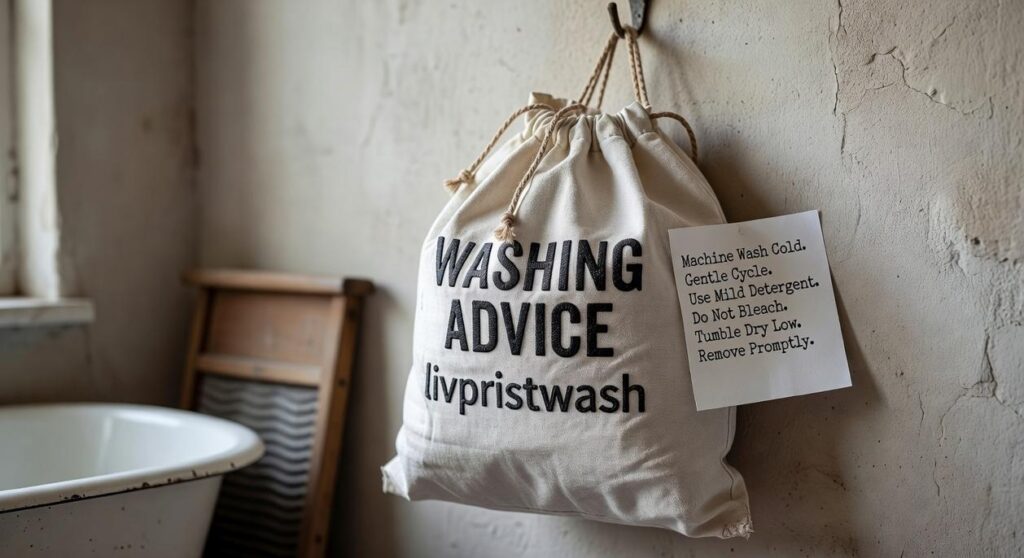
I’ve ruined more clothes than I care to admit by throwing everything in the washer and hoping for the best.
You’re probably tired of pulling out shrunken sweaters or watching your favorite shirt fade after a few washes. It’s frustrating when you’re just trying to get clean clothes.
Here’s the truth: most laundry problems come down to three mistakes. Wrong sorting, wrong settings, and too much detergent.
I developed the Livprist Washing Process after years of testing what actually works. Not what detergent companies tell you to do. What actually keeps your clothes looking new.
This guide walks you through each step. You’ll learn how to sort properly, which settings to use for different fabrics, and how much detergent you really need (it’s less than you think).
No complicated charts or confusing terminology. Just a simple system you can follow every time you do laundry.
By the end, you’ll have a checklist that takes the guesswork out of washing. Your clothes will last longer and look better.
Let me show you how to stop wasting money replacing damaged clothes.
Step 1: The Foundation – Smart Sorting & Pre-Treatment
Most people sort laundry by color and call it a day.
That’s where things go wrong.
I learned this the hard way after ruining a favorite shirt because I threw it in with heavy denim. The fabric wore out faster than it should have.
Here’s what actually matters.
Sort by fabric weight and type first. Heavy towels shouldn’t go with delicate synthetics. The abrasion alone will tear up your lighter items over time. Colors matter, sure, but fabric type matters more.
Separate by soil level too. Your lightly worn office clothes don’t need the same treatment as your gym gear. When you mix them, you either under-clean the dirty stuff or over-wash the clean stuff.
I predict we’ll see more washing machines with AI sensors that detect soil levels automatically within the next few years. But until then, you’ve got to do this yourself.
Pre-treat stains right away. Apply your stain remover and wait at least 15 minutes. For tough grime (think grass stains or oil), go for a 30-minute pre-soak. This washing advice Livpristwash approach saves you from rewashing later.
One more thing.
Check all the hardware. Zip up zippers. Close hooks. Unbutton shirts. Empty pockets.
It sounds basic, but an open zipper can snag and rip other clothes in seconds. And nobody wants to fish out a melted chapstick from their dryer.
Get the foundation right and everything else gets easier.
Step 2: Mastering Your Machine’s Cycles and Settings
You’ve sorted your laundry into piles.
Now comes the part where most people just hit whatever button looks right and hope for the best.
I used to do the same thing. Then I shrunk my favorite sweater and turned a white shirt pink in the same week.
Here’s what I learned. Your washing machine has all these settings for a reason. But you don’t need to overthink it.
Matching Cycle to Fabric Pile
Start with your cotton pile. Hit the Normal cycle. This works for everyday clothes like t-shirts, jeans, and underwear.
Got towels or heavy denim? Switch to Heavy Duty. These fabrics can handle the extra agitation and they need it to get clean.
Your delicates pile needs the Delicates cycle (obviously). This includes anything synthetic, silk, or wool. The gentler motion keeps these fabrics from getting damaged.
Some people say you should hand wash everything delicate. Sure, if you have time. But the delicate cycle on modern machines works just fine for most items.
The Truth About Water Temperature
Cold water is your default setting. I use it for darks, delicates, and anything I don’t want to fade or shrink. It also saves energy, which matters when you’re doing laundry twice a week.
Warm water works for whites and items you know won’t bleed color. It cleans better than cold without being as harsh as hot.
Hot water? Save it for heavily soiled whites, towels, and bedding. It kills bacteria and cuts through grime that cold water just can’t handle. (Your bath towels will thank you.)
Pro tip: When in doubt, go colder. You can always wash again. You can’t unshrink clothes.
Calibrating Spin Speed
High spin speeds pull more water out of your laundry. Great for towels and sturdy cottons because they’ll dry faster.
But that same high speed will stretch out your knits and damage anything delicate. I stick with low or medium spin for most loads.
The washing advice livpristwash experts recommend is simple. Match your spin speed to how sturdy the fabric is. Heavy and tough? Spin it fast. Light and delicate? Keep it slow.
Think about wringing out a dish towel versus a silk scarf. Same concept.
Step 3: The Detergent and Additive Strategy
Here’s where most people mess up their laundry.
They think more detergent means cleaner clothes. But I’ve seen the opposite happen time and time again.
Too much detergent leaves a film on your fabrics. That residue makes clothes feel stiff and actually attracts more dirt. You end up washing more often and your clothes still don’t feel fresh.
Some people swear by using a full cap of detergent every time. They say it’s the only way to get things truly clean. And sure, for heavily soiled work clothes, you might need a bit more.
But here’s what they’re missing.
Most loads don’t need that much. Check your detergent bottle and use the lowest line for your load size. You’ll get better results and your clothes will last longer.
Liquid detergent works best for what I call the Washing Guide Livpristwash approach. It dissolves in any water temperature and you can apply it directly to stains before washing. Powder has its place, but liquid gives you more flexibility.
Now let’s talk about fabric softener.
You don’t need as much as you think. In fact, using too much reduces absorbency in towels and workout gear. Try white vinegar instead (about half a cup in the rinse cycle). It softens fabrics naturally and strips away detergent buildup.
Your clothes will feel softer and actually work better. Towels absorb more water. Athletic wear breathes easier.
For dingy whites or really dirty loads, toss an oxygen-based booster directly into the drum before adding clothes. Not every wash needs this, just when you’re dealing with tough jobs.
The payoff? Cleaner clothes that feel better and last longer, using less product than you probably use now.
Step 4: The Drying Phase – Locking in Freshness, Not Damage
Most people think the dryer is where laundry gets clean.
Wrong. It’s where you either protect what you just washed or ruin it completely.
I see this all the time. Someone spends 20 minutes sorting and washing their clothes perfectly, then throws everything into the dryer on HIGH and walks away.
That’s like cooking a steak at 500 degrees and wondering why it’s charred.
Here’s what actually works.
Heat is not one size fits all. Your towels can handle punishment. Your favorite shirt? Not so much.
Use HIGH heat for towels and heavy cottons only. Everything else gets MEDIUM or LOW. And if you’ve got anything delicate (think anything with elastic or that cost more than $30), use the AIR DRY setting.
Some washing experts say you should just air dry everything to be safe. Sure, that works. But I don’t have time to hang dry my entire wardrobe, and I’m guessing you don’t either.
The trick I use? The 90% rule.
Pull your clothes out when they’re still slightly damp. Let them finish air drying on hangers or laid flat. This does two things. It prevents over-drying that bakes in wrinkles and weakens fibers. Plus your clothes last way longer.
(I learned this after shrinking three of my best shirts in one load. Expensive lesson.)
Never put these in the dryer: Sweaters will shrink or pill. Activewear with spandex loses its stretch. Silk turns into a sad wrinkled mess. Anything with beads or sequins? Those embellishments will either melt or fall off.
Just hang them or lay them flat. It takes an extra five minutes and saves you from replacing a $60 hoodie.
Step 5: Essential Washing System Maintenance
Your washer works hard for you.
But if you’re not taking care of it, you’re setting yourself up for some nasty surprises down the road.
I’m talking about mold in the gasket. Funky smells that transfer to your clean clothes. And breakdowns that could’ve been avoided with five minutes of attention each month.
Monthly Cleaning Cycle
Once a month, run an empty hot water cycle with a washing machine cleaner or two cups of white vinegar. This breaks down soap scum and stops mildew odors before they start.
Wipe Down the Gasket
For front-loading machines, wipe the inside of the rubber door seal after each wash day. Moisture gets trapped in there, and that’s where mold loves to grow.
Leave the Door Ajar
After use, leave the washer door open slightly. Let the drum air out completely. This is the single best way to prevent musty smells. I go into much more detail on this in Home Washing Advice Livpristwash.
Now, you might be wondering about your other appliances. If your washer needs regular maintenance, what about your vacuum? Same principle applies. Check out how to clean a vacuum cleaner livpristwash to keep that running smoothly too.
Following washing advice livpristwash like this keeps your machines running longer and your home smelling fresh.
Achieving Pristine Home Care with Confidence
You now have the complete five-step Livprist Washing Process.
I designed this system because I was tired of seeing people ruin their favorite clothes. One wrong setting and your best shirt shrinks or fades.
This method changes that.
You sort properly. You choose the right settings. You dry with care. Each step protects your garments and keeps them looking new longer.
The frustration of damaged clothes ends here. You get consistent results every time you wash.
Here’s what makes this work: You’re not guessing anymore. You have a clear process that handles everything from delicate fabrics to heavily soiled items.
Try this during your next laundry day. Pay attention to how your clothes feel and look when they come out. The difference will be obvious.
That’s when this becomes your standard approach.
Your clothes deserve better care. Now you know exactly how to give it to them.
Start with one load using this complete process. The results speak for themselves.
For more washing advice livpristwash techniques and home care strategies, keep following our proven methods.