We all want our homes to be modern and convenient, right? But who wants the guilt of a high energy bill or harming the planet? It’s tough to know which smart devices are genuinely eco-friendly and which are just hyped up marketing.
Isn’t it frustrating?
this guide comes in. It’s based on extensive research, focusing on what truly makes a device sustainable. Real-world impact matters, not just promises that sound good.
I’m here to help you cut through the noise.
You can trust this guide to give you clear, simple advice on choosing the best eco-friendly smart appliances. They’ll save you money and reduce your carbon footprint. Ready to make your home smart and kind to the planet?
What Makes a Smart Home Device ‘Sustainable’?
Sustainable isn’t just about saving power. It’s a whole package. Let’s break it down.
First, energy efficiency. You want a device that sips, not guzzles. Look for certifications like ENERGY STAR.
It’s a quick way to know you’re not being fooled. Trust me, those stickers mean something.
Next, materials and manufacturing. Ever wonder where your gadget came from? Devices made from recycled stuff are a good start.
But companies that are open about ethical manufacturing? That’s gold. We should demand more of that.
Then, longevity and repairability. The most eco-friendly smart appliances are the ones you don’t toss in a year. Cheap tech might tempt you, but it ends up in the landfill faster.
Repairs over replacements, people.
Finally, smart energy management is where the magic happens. These devices learn your habits. They cut waste without you lifting a finger.
It’s like having a smart buddy who knows when to dim the lights. And if you’re curious about Top Smart Home Devices Cleaner Living, check out how these features stack up.
See? Sustainability isn’t just a buzzword. It’s details, choices, and a bit of savvy.
The Core Trio: Start Your Sustainable Smart Home Here
Let’s kick off your journey to a smarter, greener home with three no-brainer changes. These are the biggest bang for your buck when it comes to saving energy and cash. Who doesn’t love that?
Smart Thermostats: Your Biggest Energy Saver
Think of smart thermostats as autopilots for your energy bills. They learn your schedule (creepy, but handy) so you’re not heating an empty house. Geofencing is a game-changer.
It knows when you’re home or away and adjusts temps accordingly. Energy reports? They break down your usage and show savings in black and white.
You can’t argue with data. Honestly, not having one is like burning money.
Smart LED Lighting: Set the Mood, Slash the Cost
Switching to LED bulbs is like trading in an old clunker for a fuel-fast car. They use way less energy. Plus, smart controls let you dim or schedule lights, cutting usage even more.
Picture this: all lights off at bedtime, automatically. You save without lifting a finger. And the best part?
LEDs last longer, so you’re not constantly changing bulbs. That’s a win in my book.
Smart Plugs & Power Strips: Taming ‘Vampire Power’
Vampire power (or phantom load) is the electricity your devices suck up when they’re off but still plugged in. It’s sneaky and costly. Smart plugs tackle this by cutting power completely when you’re not using stuff.
Entertainment centers, home offices, you name it. You can finally stop wasting energy on standby mode. It’s such a simple fix.
Why wouldn’t you do it?
These changes aren’t just good for your wallet. They’re a nod to our planet, too. If you’re serious about eco-friendly smart appliances, you’ll want to dive deeper into the options out there.
Check out this guide on eco-friendly smart appliances for more inspiration.
Pro tip: Start small. You don’t have to overhaul everything at once. Pick one area, like lighting, and make the switch.
You’ll see savings pile up and motivation to tackle the next project will follow. This isn’t just about being green. It’s about being smart and savvy with your home.
Ready to start?
Level Up: Smart Devices for Deeper Green Living
You’re reading this because you’re serious about eco-friendly smart appliances, right? When I think about living green, the first thing that comes to mind is efficiency. Why waste resources when tech can help you conserve them?
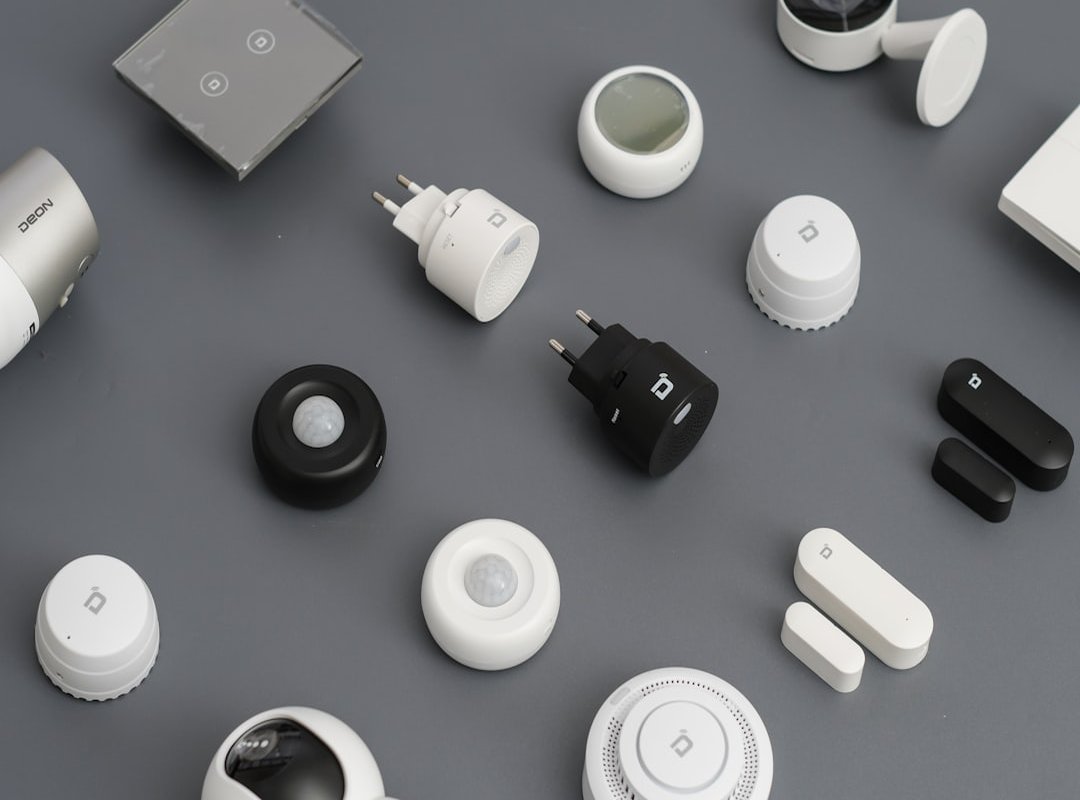
Technology, when used wisely, becomes more than just a gadget (it’s) a partner in sustainability.
to smart water monitors. These devices are genius. They track usage, pinpoint leaks, and prevent costly water damage.
If you’re in a drought-prone area, you’d understand the panic. Water is precious. These monitors save you money and help save the planet.
Am I right? Small leaks today mean hefty repairs tomorrow.
Smart blinds and curtains? They’re not just for the lazy. They’re about passive heating and cooling.
Picture this: it’s sweltering, and those blinds close automatically. Your air conditioning breathes a sigh of relief. In winter, they open to soak in the sun’s warmth when it’s most needed.
It’s like nature’s thermostat. Your HVAC system will thank you, and you’ll see the difference in your energy bills.
Then there are home energy monitors. Now, these are the real game-changers. They clip right into your electrical panel, giving you real-time data on energy use.
This isn’t just information; it’s power. Because knowing exactly where your energy goes empowers you to make key changes. Does your fridge guzzle electricity like a thirsty camel?
Fix it.
Wondering about what’s next? Future innovations like these make me excited about what smart kitchens could expect. Just imagine the possibilities.
Smart living isn’t just a trend; it’s a movement. And you’re part of it. These steps might seem small, but in reality, they make a big impact.
Ready to take the plunge? The environment (and your wallet) will thank you.
Choosing Home Devices: Your Go-To Guide
Wondering where to start with smart home devices? I’ve got you covered. First, check compatibility.
You’ve got to make sure your new gadget plays nice with your existing setup. Imagine buying something only to find out it doesn’t gel with your Amazon Alexa or Google Home. Frustrating, right?
Next up, the app reviews. A smart device is only as good as its app. Clunky software can mean you won’t enjoy the eco-friendly benefits.
Ever tried using an app that crashes every hour? Yeah, avoid that.
Don’t forget certifications like ENERGY STAR or EPEAT. They’re not just fancy labels. They scream efficiency and trust.
If you’re looking for eco-friendly smart appliances, these certifications are your golden ticket to sustainable living.
Ease into it. Start small. Maybe with smart plugs.
Don’t feel like you need to automate your entire house at once. Test the waters. See what works.
Choosing the right pieces can transform your home into a haven. Before you know it, you’ll be living the futuristic dream without a full tech meltdown. Remember, it’s not just about the device but how it fits your lifestyle.
Smart Choices, Greener Homes
You want a smart home without the guilt of wasting energy. I get it. The trick?
Choose eco-friendly smart appliances that genuinely save resources instead of just looking cool. It’s about being smart with our choices. Why wait?
Pick one area today. Maybe it’s lighting or a smart plug. Upgrade it this month and see the difference.
Small steps, big impact. Imagine a home that’s high-tech but also kind to the planet. With each thoughtful decision, you’re not just adding convenience.
You’re creating a home that’s pristine, fast, and future-ready. Ready to start?
 Head of Content & Home Living Specialist
James Christopherainenzo writes the kind of home living highlights content that people actually send to each other. Not because it's flashy or controversial, but because it's the sort of thing where you read it and immediately think of three people who need to see it. James has a talent for identifying the questions that a lot of people have but haven't quite figured out how to articulate yet — and then answering them properly.
They covers a lot of ground: Home Living Highlights, Smart Appliances and Clean Living, Pristine Home Care Techniques, and plenty of adjacent territory that doesn't always get treated with the same seriousness. The consistency across all of it is a certain kind of respect for the reader. James doesn't assume people are stupid, and they doesn't assume they know everything either. They writes for someone who is genuinely trying to figure something out — because that's usually who's actually reading. That assumption shapes everything from how they structures an explanation to how much background they includes before getting to the point.
Beyond the practical stuff, there's something in James's writing that reflects a real investment in the subject — not performed enthusiasm, but the kind of sustained interest that produces insight over time. They has been paying attention to home living highlights long enough that they notices things a more casual observer would miss. That depth shows up in the work in ways that are hard to fake.
Head of Content & Home Living Specialist
James Christopherainenzo writes the kind of home living highlights content that people actually send to each other. Not because it's flashy or controversial, but because it's the sort of thing where you read it and immediately think of three people who need to see it. James has a talent for identifying the questions that a lot of people have but haven't quite figured out how to articulate yet — and then answering them properly.
They covers a lot of ground: Home Living Highlights, Smart Appliances and Clean Living, Pristine Home Care Techniques, and plenty of adjacent territory that doesn't always get treated with the same seriousness. The consistency across all of it is a certain kind of respect for the reader. James doesn't assume people are stupid, and they doesn't assume they know everything either. They writes for someone who is genuinely trying to figure something out — because that's usually who's actually reading. That assumption shapes everything from how they structures an explanation to how much background they includes before getting to the point.
Beyond the practical stuff, there's something in James's writing that reflects a real investment in the subject — not performed enthusiasm, but the kind of sustained interest that produces insight over time. They has been paying attention to home living highlights long enough that they notices things a more casual observer would miss. That depth shows up in the work in ways that are hard to fake.