A backyard that feels polished and inviting does not have to demand constant work. In fact, the most successful outdoor spaces are often the ones designed with both appearance and practicality in mind from the start. Homeowners who want a space that stays attractive in every season often turn to residential outdoor upgrade specialists for ideas on turf, hardscaping, drainage, and layout choices that reduce upkeep while still delivering a clean, modern finish. When the right materials, surfaces, and maintenance strategies work together, it becomes much easier to enjoy your yard instead of constantly managing it.
Start With a Layout That Supports Simplicity
A clean backyard begins with a clear sense of structure. Instead of filling the yard with too many disconnected features, focus on a layout that gives each area a purpose, such as dining, relaxing, play, or gardening. A thoughtful plan helps the entire space feel more modern because it looks intentional rather than crowded.
The best low-maintenance backyards also reduce the number of awkward corners, narrow planting beds, and unused lawn patches that collect weeds and debris. Straight lines, defined zones, and practical pathways make the yard easier to clean and easier to navigate. This kind of structure also gives the space a calmer visual feel, which is a key part of modern outdoor design.
Choose Hardscaping That Looks Sharp and Cleans Up Easily
Patios, walkways, retaining walls, and edging all play a major role in the overall appearance of a backyard. Clean hardscaping creates contrast, frames the landscape, and provides durable surfaces that are easier to maintain than large planted areas. Materials such as concrete pavers, natural stone, and large-format slabs can instantly make a yard look more refined.
The key is to choose finishes that suit both your climate and your maintenance goals. Textured surfaces may hide dirt better, while properly sealed pavers can resist staining and make routine cleaning easier. When hardscaping is installed with quality drainage and spacing, it also helps prevent standing water, moss buildup, and shifting over time.
Reduce Lawn Maintenance With Smarter Ground Cover Choices
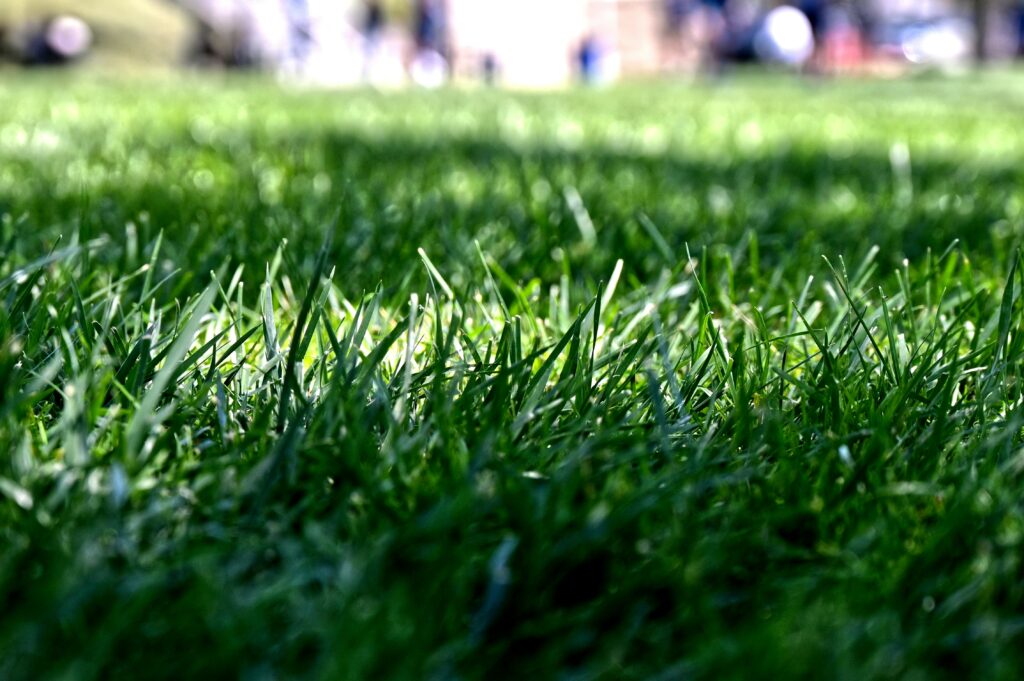
Traditional grass can be one of the most time-consuming parts of a backyard to maintain. It often requires frequent mowing, watering, fertilizing, edging, and seasonal repair, especially in areas with heavy foot traffic or inconsistent weather. Replacing some or all of the lawn with lower-maintenance options can dramatically reduce the amount of work needed to keep the space looking neat.
Depending on the property, this might mean using artificial turf, gravel, mulch, decorative stone, or a combination of materials that fit the style of the home. These choices can help eliminate muddy patches, cut down on weeds, and keep the yard looking green and finished throughout the year. They also create a cleaner look by reducing the uneven growth and seasonal browning that can make a yard feel neglected.
Keep Planting Simple and Intentional
Plants add softness and color to a backyard, but too many varieties can quickly turn the space into a maintenance challenge. A modern yard usually benefits from a restrained planting palette with repeated shapes, consistent heights, and clear borders. This approach creates visual order while making pruning, watering, and seasonal care much easier to manage.
Native plants and drought-tolerant species are especially helpful for homeowners who want a landscape that can thrive with less attention. When grouped according to sunlight and water needs, these plants are easier to care for and less likely to struggle throughout the year. Layering a few well-chosen shrubs, grasses, and ground covers can still create depth and texture without overwhelming the space.
Make Cleaning Part of the Design Strategy
A backyard will never stay clean for long if the materials and features are difficult to maintain. That is why it helps to think about cleaning while the space is being designed rather than after the work is done. Smooth transitions between surfaces, accessible corners, and durable finishes all make routine upkeep more manageable.
Pressure washing can help restore patios, paths, and walls, but prevention matters just as much as cleanup. Installing proper drainage, keeping trees trimmed back from hardscapes, and using borders to separate planting beds from entertainment areas can all reduce the spread of dirt and organic buildup. When the space is designed for easy cleaning, it stays fresher with less effort.
Focus on Features That Add Function Without Adding Clutter
A modern backyard should feel useful, but not overloaded with accessories. Built-in seating, streamlined lighting, hidden storage, and simple shade structures can all improve how the space functions without making it harder to maintain. The goal is to include features that serve a clear purpose while supporting the overall design.
This is also where material consistency makes a big difference. Repeating similar finishes across planters, furniture, pavers, and trim can make the entire yard feel more cohesive and polished. When every feature works together visually, the backyard feels calmer, cleaner, and more thoughtfully designed.
Conclusion
Creating a backyard that looks clean, modern, and easy to maintain year-round is less about following trends and more about making smart design choices. A practical layout, durable hardscaping, low-maintenance ground covers, intentional planting, and easy-to-clean materials all contribute to a space that stays attractive without demanding constant attention. When homeowners focus on both form and function, they can build an outdoor environment that feels polished in every season and remains enjoyable long after the initial upgrade is complete.
 Head of Content & Home Living Specialist
James Christopherainenzo writes the kind of home living highlights content that people actually send to each other. Not because it's flashy or controversial, but because it's the sort of thing where you read it and immediately think of three people who need to see it. James has a talent for identifying the questions that a lot of people have but haven't quite figured out how to articulate yet — and then answering them properly.
They covers a lot of ground: Home Living Highlights, Smart Appliances and Clean Living, Pristine Home Care Techniques, and plenty of adjacent territory that doesn't always get treated with the same seriousness. The consistency across all of it is a certain kind of respect for the reader. James doesn't assume people are stupid, and they doesn't assume they know everything either. They writes for someone who is genuinely trying to figure something out — because that's usually who's actually reading. That assumption shapes everything from how they structures an explanation to how much background they includes before getting to the point.
Beyond the practical stuff, there's something in James's writing that reflects a real investment in the subject — not performed enthusiasm, but the kind of sustained interest that produces insight over time. They has been paying attention to home living highlights long enough that they notices things a more casual observer would miss. That depth shows up in the work in ways that are hard to fake.
Head of Content & Home Living Specialist
James Christopherainenzo writes the kind of home living highlights content that people actually send to each other. Not because it's flashy or controversial, but because it's the sort of thing where you read it and immediately think of three people who need to see it. James has a talent for identifying the questions that a lot of people have but haven't quite figured out how to articulate yet — and then answering them properly.
They covers a lot of ground: Home Living Highlights, Smart Appliances and Clean Living, Pristine Home Care Techniques, and plenty of adjacent territory that doesn't always get treated with the same seriousness. The consistency across all of it is a certain kind of respect for the reader. James doesn't assume people are stupid, and they doesn't assume they know everything either. They writes for someone who is genuinely trying to figure something out — because that's usually who's actually reading. That assumption shapes everything from how they structures an explanation to how much background they includes before getting to the point.
Beyond the practical stuff, there's something in James's writing that reflects a real investment in the subject — not performed enthusiasm, but the kind of sustained interest that produces insight over time. They has been paying attention to home living highlights long enough that they notices things a more casual observer would miss. That depth shows up in the work in ways that are hard to fake.