
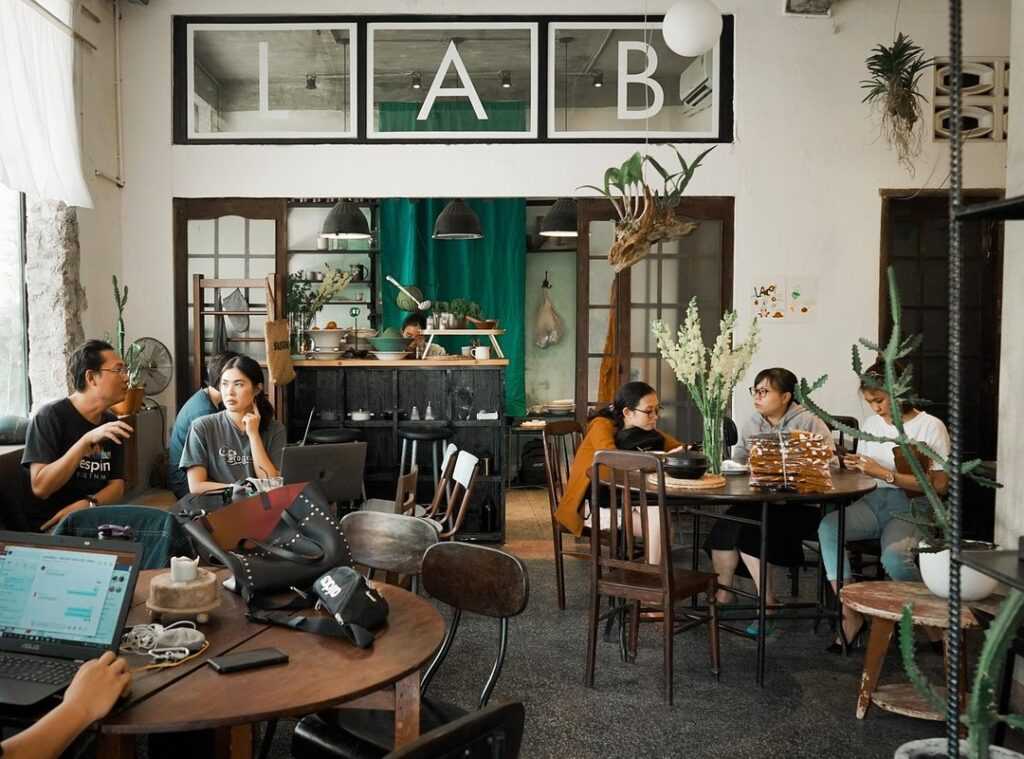
Love the charm of retro design but want that sleek, modern feel too? You’re not alone. Combining these styles can feel like juggling flaming torches (exciting,) but risky.
How do you mix the old with the new without ending up with a chaotic mess? That’s the big question. We’ve done a deep dive into timeless interior design principles, sifting through what’s truly lasting and livable.
This isn’t just theory. We’ve pieced together a practical, step-by-step guide to help you create vintage modern spaces that are both stunning and cohesive.
You’ll walk away with a system to transform your home into one that beautifully marries past and present. Trust us, this isn’t about just throwing styles together. It’s about creating a space that’s as unique as you are.
Retro Meets Contemporary: A Design Revolution
When we talk about a retro contemporary environment, it’s more than just throwing old and new together. It’s a deliberate dance of style. This approach celebrates contrast and personality.
The “Retro” component draws from the mid-20th century. We’re talking the 1950s to 1970s. Picture organic shapes, warm woods like teak and walnut, bold patterns, and iconic furniture silhouettes.
Think about it: how often do we really get to mix the old with the new in a way that feels fresh and exciting?
These elements scream style and sophistication. They’re not just relics; they’re statements.
On the flip side, “Contemporary” is all about the now. It’s clean lines, simplicity, and neutral colors. The contemporary style loves natural light and spaciousness.
It’s about creating a calming environment (don’t we all need that?). The magic happens when you use contemporary as a clean canvas.
Imagine a neutral, uncluttered room. Now, throw in a carefully chosen retro piece. Suddenly, you’ve got functional art.
It’s not just decoration; it’s a conversation between eras. This blend is what makes vintage modern spaces so intriguing. It’s a dialogue between different times and tastes.
Want to dive deeper into how colors play a role in this? You can learn more about picking the right palette for your home. This combination of old and new doesn’t just make a statement; it tells a story.
And that story? It’s uniquely yours.
The Designer’s Toolkit: Core Layout Principles
Creating a perfect blend in your home isn’t rocket science. You just need the right mix. Let’s talk furniture first.
Stick with the 80/20 Rule: 80% contemporary, 20% retro. Why? It balances modern simplicity with nostalgic charm.
Start with a sleek, neutral sofa. Add a statement piece like a retro Womb chair. It’s all about impact without going overboard.
Color matters too. A contemporary base of whites or grays sets the stage. Then, splash in some retro accents.
Imagine a mustard yellow throw or an avocado green cushion. These pops of color make a room feel alive. It’s like a nod to the past while staying firmly in the present.
Now, materials and textures. Without texture, a space feels flat. Pair polished concrete with velvet.
Shag rugs with chrome. The contrast adds warmth and depth. It’s not just about looks; it’s about how a room feels.
You want it to invite you in.
Lighting sets the mood. Functional lighting is a must, but don’t stop there. Add a retro fixture like a Sputnik chandelier.
It’s a conversation starter and adds drama. Think of it as the room’s jewelry.
Mistakes? Trust me, I’ve made them. Too much retro and your space screams “dated.” Too little and it lacks character.
The trick is balance. For more ideas on blending styles, check out vintage modern spaces. Embrace the mix.
It’s your home, after all.
Bringing It to Life: A Room-by-Room Blueprint
Creating vintage modern spaces isn’t just about throwing old and new together. It’s about blending styles to create something that feels timeless yet fresh.
The Living Room Sanctuary: Imagine this. A sleek, low-profile contemporary sectional sofa takes center stage. It’s spacious, comfortable, and perfect for gatherings. Across the room, a vintage teak media console sits elegantly, adding warmth and character. Don’t forget the walls. A large, abstract contemporary art piece can anchor the space. On the floor, a geometric-patterned retro rug ties it all together. It’s bold, it’s inviting. It’s a place where you want to linger.
The Kitchen & Dining Hub: Now, let’s step into the kitchen. How do you achieve that perfect mix? Start with modern, flat-panel cabinetry and pair it with quartz countertops. They’re sleek and practical. Add retro elements like colorful ceramic backsplash tiles. Vintage-inspired bar stools at the island bring personality. And above the dining table, hang a classic pendant light like a PH Artichoke Lamp. It’s an eye-catcher, no doubt. Remember, a kitchen should be functional and stylish. Check out layout mistakes to avoid to keep things on track.
The Serene Bedroom Retreat: Bedrooms need calm. Begin with a contemporary base: a simple upholstered bed frame and minimalist nightstands. They’re clean and uncluttered. But let’s not stop there. Introduce retro flair with vintage ceramic lamps. A bold, graphic duvet cover makes a statement. Or perhaps a beautifully restored mid-century dresser? It’s about creating a space that’s peaceful yet full of character.
Mixing vintage and modern elements can bring any room to life. It’s about balance, creativity, and a bit of daring. You don’t want it to feel forced or mismatched.
Just let your personality shine through.
Avoiding the Style Clash: Tips for Designing with Confidence
Ever walked into a room and felt like you’d entered a time capsule? It’s tempting to load vintage modern spaces with retro treasures, but you risk creating a theme party vibe. The trick is curation.
Pick a few cherished, high-quality retro items and give them space to shine.
Now, let’s talk about scale. A massive 1970s sofa might look fantastic in theory, but in a small, modern apartment, it can dominate the room. You need to balance the visual weight of your furniture.
This keeps the space feeling open and inviting.
Competing focal points are another trap. If you’ve got a bold retro rug, a striking sofa, and dramatic art all fighting for attention, the room feels chaotic. Choose one primary retro focal point.
Let the rest of the elements support it, creating a harmonious look.
And don’t underestimate the power of a strong foundation. Contemporary elements aren’t just filler. Think of a clean layout and neutral background as the stage where your retro pieces perform.
They make your choices feel intentional and not just a jumble of old stuff.
Designing vintage modern spaces is about balance. Avoid these pitfalls, and you’ll create rooms that feel both timeless and fresh.
Your Timeless Sanctuary Awaits
You’ve cracked the code. Mixing styles isn’t the maze it once was. Now, you’re equipped to create vintage modern spaces with confidence.
The balance of retro and contemporary isn’t just a design choice, it’s a lifestyle. It’s a way to honor the past while embracing today. Your home becomes a personal story, unique and timeless.
But here’s the thing: it’s time to act. Take your first step. Grab a retro accent (a) lamp, maybe a vase (and) see the magic unfold in your favorite room.
Feel the change. It starts with one piece and grows from there. Skeptical?
Dive into our library of home layout essentials. Explore more ideas.
Your journey to a stunning, personal sanctuary begins now. Don’t wait. Transform your space, and in doing so, transform how you live.
Your home shouldn’t just exist; it should inspire. Start today.
 Founder & CEO
Ask Torveth Tornhaven how they got into washing system maintenance tips and you'll probably get a longer answer than you expected. The short version: Torveth started doing it, got genuinely hooked, and at some point realized they had accumulated enough hard-won knowledge that it would be a waste not to share it. So they started writing.
What makes Torveth worth reading is that they skips the obvious stuff. Nobody needs another surface-level take on Washing System Maintenance Tips, Pristine Home Care Techniques, Home Living Highlights. What readers actually want is the nuance — the part that only becomes clear after you've made a few mistakes and figured out why. That's the territory Torveth operates in. The writing is direct, occasionally blunt, and always built around what's actually true rather than what sounds good in an article. They has little patience for filler, which means they's pieces tend to be denser with real information than the average post on the same subject.
Torveth doesn't write to impress anyone. They writes because they has things to say that they genuinely thinks people should hear. That motivation — basic as it sounds — produces something noticeably different from content written for clicks or word count. Readers pick up on it. The comments on Torveth's work tend to reflect that.
Founder & CEO
Ask Torveth Tornhaven how they got into washing system maintenance tips and you'll probably get a longer answer than you expected. The short version: Torveth started doing it, got genuinely hooked, and at some point realized they had accumulated enough hard-won knowledge that it would be a waste not to share it. So they started writing.
What makes Torveth worth reading is that they skips the obvious stuff. Nobody needs another surface-level take on Washing System Maintenance Tips, Pristine Home Care Techniques, Home Living Highlights. What readers actually want is the nuance — the part that only becomes clear after you've made a few mistakes and figured out why. That's the territory Torveth operates in. The writing is direct, occasionally blunt, and always built around what's actually true rather than what sounds good in an article. They has little patience for filler, which means they's pieces tend to be denser with real information than the average post on the same subject.
Torveth doesn't write to impress anyone. They writes because they has things to say that they genuinely thinks people should hear. That motivation — basic as it sounds — produces something noticeably different from content written for clicks or word count. Readers pick up on it. The comments on Torveth's work tend to reflect that.